Key takeaways
- Many insurers treat roofs roughly 15 to 20 years old as higher risk, which can mean higher premiums, restrictions or nonrenewal.
- Some policies pay roof claims at actual cash value or on a depreciation schedule, sharply reducing payouts on older roofs.
- Roof material matters: impact-resistant shingles and metal roofs may earn discounts in some states.
- Read your declarations page and endorsements for roof-specific settlement terms before a storm, not after.
In this guide
Roof age affects home insurance in three ways: whether an insurer will cover your home, how much you pay, and how roof claims are paid. Many insurers view asphalt roofs older than about 15 to 20 years as higher risk and may charge more, require an inspection, decline coverage or pay roof claims at actual cash value.
The roof is often the first thing an underwriter looks at, because roof damage from wind, hail and leaks drives a large share of home insurance claims. Understanding how your insurer treats your roof can save you from a painful surprise after a storm.
Why insurers care so much about your roof
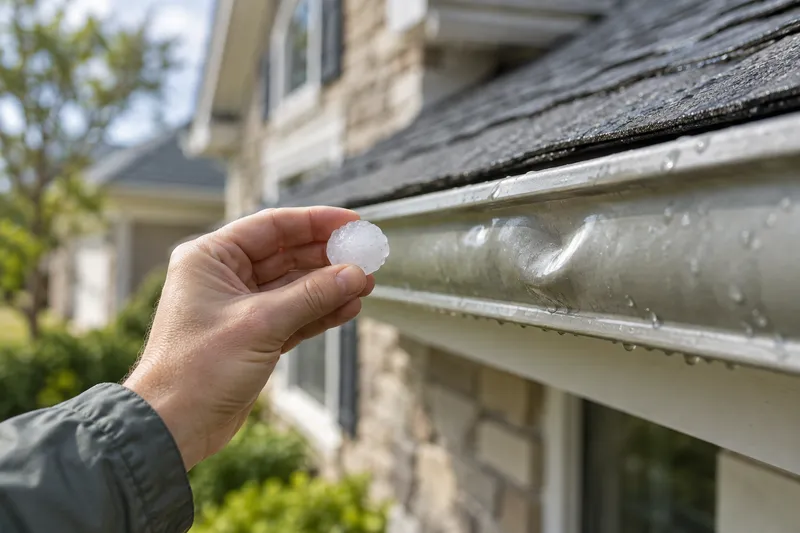
Your roof is your home's first line of defense against weather. An aging roof with brittle, curling or missing shingles is more likely to leak, blow off in high winds or crack in a hailstorm, and the damage can spread to ceilings, insulation, walls and belongings inside. A full roof replacement is also one of the most expensive single items an insurer may have to pay for.
This is why roof age can matter even if you have never filed a claim. Insurers assess roofs using the age you report, public permit records, aerial imagery and sometimes an in-person inspection. If your application says the roof is eight years old but records suggest it is twenty, expect questions.
How roof age affects eligibility and premiums
Each insurer sets its own rules, but a typical pattern looks like this for asphalt shingle roofs:
| Roof age (asphalt shingles) | How insurers commonly respond |
|---|---|
| Under about 10 years | Usually easiest to insure; may qualify for new-roof discounts |
| Roughly 10 to 15 years | Generally insurable at standard rates, depending on condition |
| Roughly 15 to 20 years | More scrutiny; inspection, higher premium or ACV roof coverage possible |
| Over about 20 years | Some insurers will not write new policies; nonrenewal risk increases |
These are general patterns, not rules. Some insurers use age only as a trigger for a closer look, while others apply firm cutoffs for new business and are more flexible with existing customers at renewal. Condition matters as much as age: a well-maintained 18-year-old roof may pass inspection, while a 12-year-old roof with storm damage may not. Rules also differ by state and are often stricter in areas with frequent hail or hurricanes.
Roof material and lifespan
Material changes how insurers view roof age, because some materials last far longer than others.
- Asphalt shingles. The most common material, with a shorter expected life than most alternatives. Architectural shingles typically outlast basic three-tab shingles.
- Metal. Long-lasting and often wind-resistant. Some insurers treat it favorably, though cosmetic hail dents may be excluded.
- Clay or concrete tile. Very long-lived, but individual tiles can crack from impact.
- Slate. Extremely durable but expensive to repair.
- Wood shakes. May be surcharged or declined in wildfire-prone areas.
Impact-resistant shingles rated to the UL 2218 Class 4 standard can earn discounts in some hail-prone states, and wind mitigation features like roof-to-wall straps may earn credits in hurricane-exposed states. For a deeper look at materials and costs, see our guide to roofing materials compared.
ACV roof coverage and roof payment schedules
The biggest financial impact of an older roof often shows up at claim time, not in the premium. Many insurers now attach roof-specific settlement terms to policies, especially for older roofs or in hail-prone regions.
Actual cash value roof endorsement
Your policy may cover the house at replacement cost but settle the roof at actual cash value (ACV). That means the insurer subtracts depreciation for the roof's age before paying. Our guide to replacement cost vs. actual cash value explains depreciation in more detail.
Roof payment schedules
A roof payment schedule (sometimes called a roof surfacing endorsement) pays a set percentage of the roof's replacement cost based on age and material. The percentage drops each year.
Some policies also have a separate wind or hail deductible set as a percentage of your dwelling limit, which can stack on top of these reductions. Our guide to home insurance deductibles covers how percentage deductibles work.
What to do if your roof is getting old
- Get an inspection. A roofer's report on remaining life and condition may satisfy an insurer that otherwise would decline or restrict coverage.
- Make repairs promptly. Replacing missing shingles and fixing flashing can keep your roof insurable longer.
- Budget for replacement. Our guides to roof replacement cost and signs you need a new roof can help you plan.
- Shop around. Insurers differ widely in roof age limits and settlement terms. Compare quotes that match coverage, including how the roof is settled.
- Document the roof's condition. Take dated photos of your roof each year and after major storms. If you ever file a claim, before-and-after evidence helps show that damage came from a specific event rather than gradual wear.
- Ask about new-roof credits. After a replacement, send your invoice to your insurer and ask whether you qualify for a lower premium or a return to replacement cost roof coverage.
Will insurance pay to replace an old roof?
Only if a covered peril, such as wind, hail or a fallen tree, caused the damage. Home insurance does not pay for roofs that wear out with age. Adjusters look for signs of storm damage versus deterioration, and older roofs often show both. If your claim is partially denied as wear and tear, ask for the adjuster's findings in writing and consider a second opinion from a licensed roofer. See our step-by-step guide to filing a home insurance claim.
The bottom line
Your roof's age and material can shape your eligibility, your premium and, above all, your claim payout. Know your roof's age, check your policy for ACV or payment schedule endorsements, and factor roof replacement into your budget as it approaches the later part of its life. A newer or impact-resistant roof may pay for part of itself through better coverage and lower premiums.
Frequently asked questions
How old is too old for a roof for home insurance?
There is no single cutoff. Many insurers begin scrutinizing asphalt shingle roofs around 15 to 20 years old, and some will not write new policies above a certain age or will only offer actual cash value roof coverage. Longer-lasting materials such as metal, tile or slate are often held to different standards. Guidelines vary by insurer and state.
Can an insurance company cancel my policy because of my roof?
Insurers generally can choose not to renew a policy because of roof age or condition, subject to state rules on notice periods and allowed reasons. Mid-term cancellations are usually more restricted. If you receive a nonrenewal notice, you typically have time to replace or repair the roof, provide an inspection, or find another insurer before coverage ends.
What is a roof payment schedule?
A roof payment schedule, sometimes called a roof surfacing endorsement, pays roof damage based on a set percentage that declines as the roof ages and varies by material. For example, an older roof might be paid at only a fraction of replacement cost. It is common in hail-prone states and can make a big difference to your out-of-pocket cost after a storm.
Will a new roof lower my home insurance?
It often can. A new roof reduces the risk of leaks and storm damage, so many insurers offer lower premiums or discounts for newer roofs, and some offer additional credits for impact-resistant or wind-rated materials. A new roof may also restore full replacement cost coverage if your policy had switched the roof to actual cash value.
Does home insurance pay for a roof replacement due to age?
No. Home insurance covers sudden, accidental damage from covered perils such as wind, hail or a fallen tree. Wear and tear, age-related deterioration and poor maintenance are excluded. If an adjuster finds that roof damage is mainly due to age rather than a storm, the claim may be denied or partially paid.
Official Resources & Further Reading
Use these resources to check current guidance. Requirements and availability may vary by state and provider.
This guide is for general educational purposes and is not individualized financial, legal, tax or insurance advice. Product terms, rates and availability vary by provider and location. How we make money.