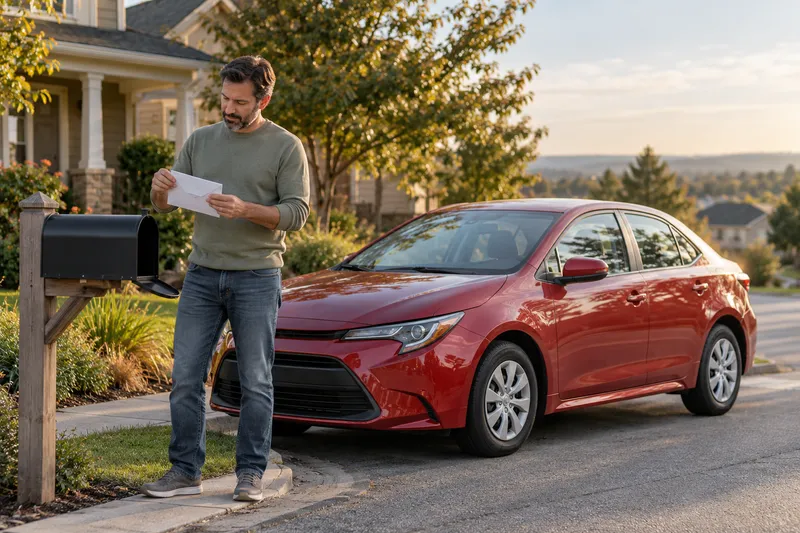
How Much Is Car Insurance? What Really Drives Your Premium
Car insurance prices swing widely from one driver to the next. Here is what shapes your premium and how to estimate what you should expect to pay.
Insurance
Car insurance is required almost everywhere, yet most drivers never look closely at what they are paying for. These guides explain coverage, costs and quotes in plain English so you can buy the protection you need and stop overpaying for what you don't.
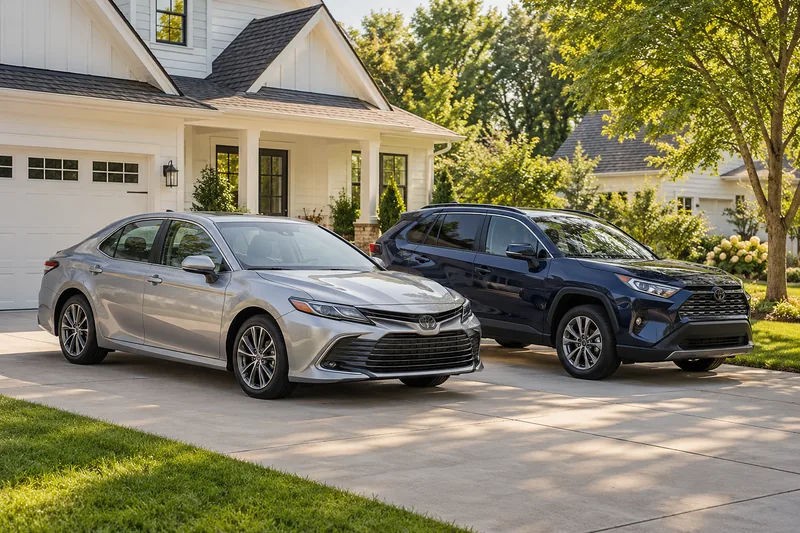
Car insurance prices swing widely from one driver to the next. Here is what shapes your premium and how to estimate what you should expect to pay.

The cheapest quote is only a bargain if it covers the same things. Here is how to line up quotes so you can see which one really costs less.
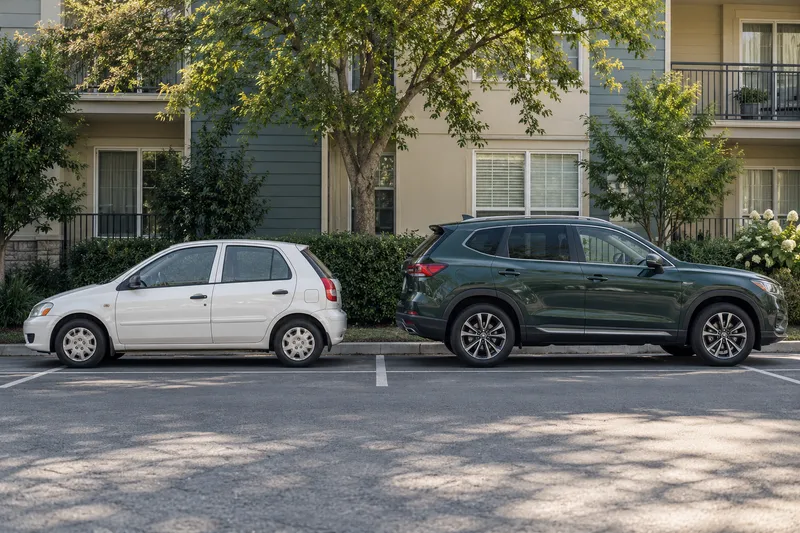
Liability protects other people from you. Full coverage also protects your own car. The right choice depends on your vehicle's value, your loan and your savings.

An auto policy is a bundle of separate coverages. Knowing what each one does helps you buy what you need and skip what you don't.
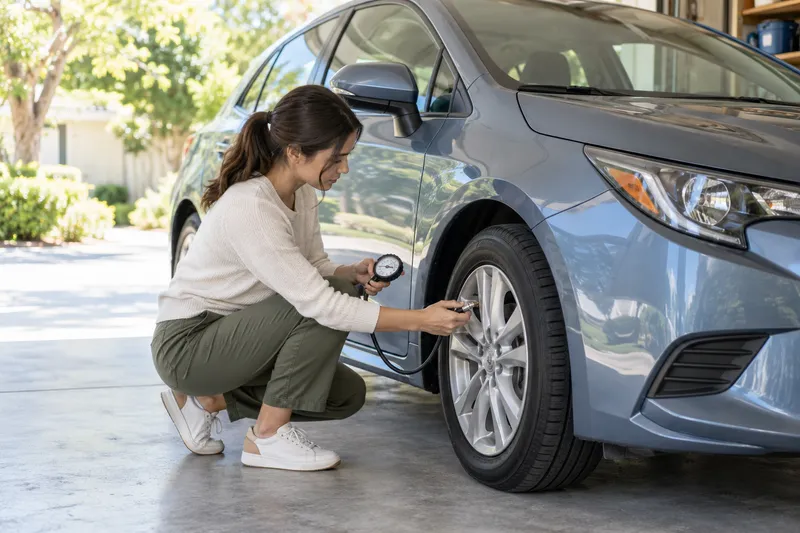
Most drivers can trim their premium without taking on dangerous gaps. Start with the moves that save the most and cost you nothing in protection.

Most insurers offer a long menu of discounts, but many are not applied automatically. Here is what to look for and how to make sure you get them.
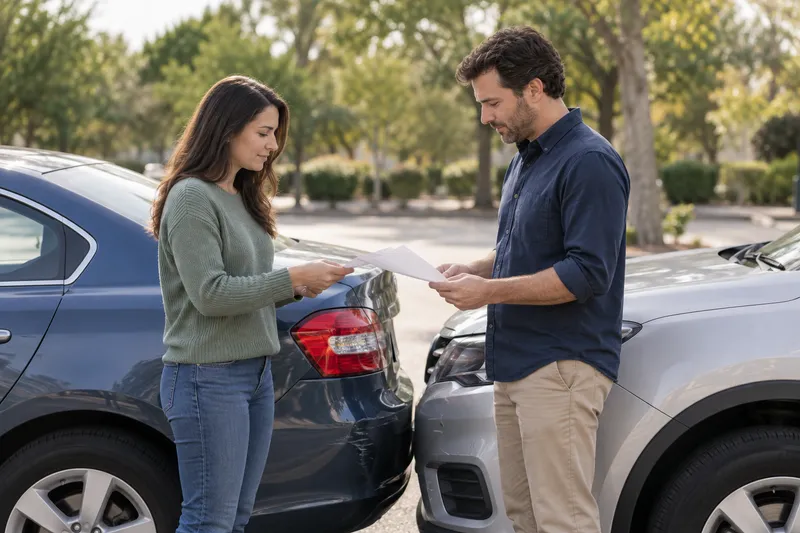
An accident sets off a claim, a fault decision and often a rate change. Knowing the process helps you protect yourself and limit the long-term cost.

An SR-22 is not a type of policy but a state filing that proves you carry insurance. Here is how it works and how to handle it without extra trouble.

Whether you are adding a 16-year-old to the family policy or buying your first policy at 30, here is how coverage works and how to keep the price manageable.
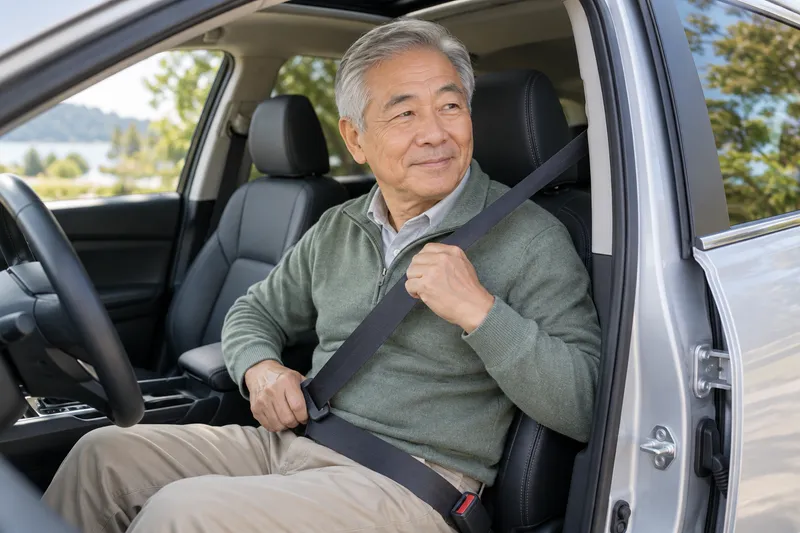
Rates often reach their lowest point in middle age and can creep up later. Here is why, and what older drivers can do about it.

If a driver with no insurance, or too little, hits you, this coverage steps in. Here is how it works and how much to carry.
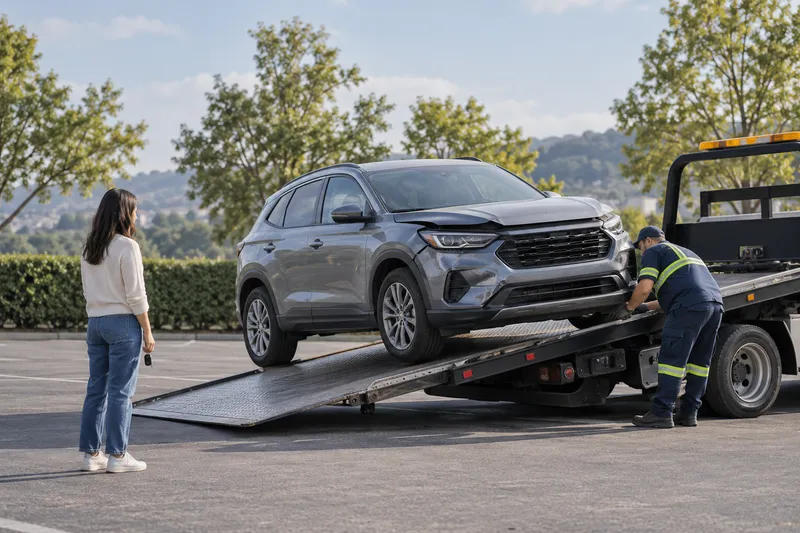
If your car is totaled while you owe more than it is worth, gap coverage pays the difference. Here is how to tell whether you need it.

Switching insurers is usually simple and can happen any day of the year. The key is timing it so you are never uninsured for even a day.
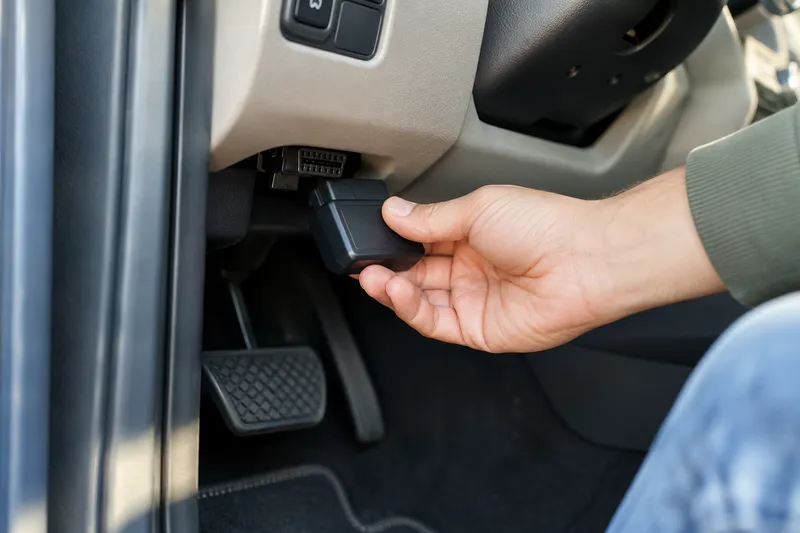
Telematics programs price your policy on how and how much you actually drive. They can reward careful drivers, but they are not a fit for everyone.
Auto insurance is a bundle of separate coverages, priced by each insurer using its own formula. That is why two drivers with similar cars can pay very different amounts, and why the same driver can get widely different quotes from different companies. Understanding the moving parts is the fastest way to get better value.
If you are starting from scratch, begin with how much car insurance costs to see what drives your premium, then read about the types of car insurance coverage so you know what each part of a policy does. From there, decide between liability and full coverage based on your car's value and your loan.
Ready to buy or renew? Our guide to comparing car insurance quotes shows how to line up offers apples to apples. If your premium feels too high, work through how to lower car insurance and our checklist of car insurance discounts. Dealing with a crash? Read car insurance after an accident for claim steps and rate impacts.
We also cover specific situations, including new and senior drivers, SR-22 filings, gap insurance, uninsured motorist coverage, usage-based programs and switching insurers.
Insurance rules and minimum requirements differ by state, and prices change often. Cost figures in these guides are broad estimates, not quotes. Check your state insurance department for local requirements and get personalized quotes before making a decision.