Key takeaways
- Comparing quotes at renewal is often the single most effective way to lower your premium.
- Raising deductibles and dropping unneeded coverage on older cars can cut costs, but only if you can absorb the risk.
- Discounts, bundling and usage-based programs can add up to meaningful savings.
- Avoid cutting liability limits to the bare minimum; it saves little and exposes you to large losses.
In this guide
To lower car insurance, start by comparing quotes from several insurers, then ask for every discount you qualify for, raise deductibles you can comfortably afford, bundle policies and drop collision or comprehensive on low-value cars. Keeping a clean record and, where allowed, better credit also lowers rates over time.
Some of these moves cost nothing in protection; others shift more risk onto you. This guide ranks the options and explains the tradeoffs so you can cut costs without leaving yourself exposed.
Quick wins you can make this week
These steps cost nothing in protection and can often be done in a single afternoon.
Shop around at every renewal
Insurers price the same driver very differently, and your current company may not stay the most competitive as your life changes. Comparing quotes about a month before renewal is often the most effective single step.
Make sure every quote uses the same limits, deductibles and add-ons, or the comparison is meaningless. Our guide on how to compare car insurance quotes shows how to line them up, and our guide to switching car insurance explains how to change companies without a gap.
Claim every discount you qualify for
Insurers offer a long list of discounts, but they are not always applied automatically. Common ones include safe driver, multi-policy, multi-car, good student, defensive driving course, anti-theft device, paperless billing, autopay and paid-in-full discounts.
Call your insurer or agent once a year and ask them to review your discounts. Life changes, such as a student making the honor roll, a shorter commute or a new car with safety features, can make you newly eligible. For the full list, see our guide to car insurance discounts.
Update your information
Make sure your insurer has accurate details. If you now work from home, drive fewer miles, moved to a lower-cost ZIP code, got married or removed a driver who moved out, tell your insurer. Each of these can affect your rate, and insurers will not know unless you report them. It is also worth reviewing who is listed on the policy: a household member who no longer drives your cars may be removable, though insurers have rules about excluding licensed drivers who live with you.
Review your payment plan
Many insurers charge installment fees for monthly billing or give a small discount for paying the full term up front, setting up autopay or going paperless. If your budget allows, switching to a paid-in-full plan at renewal is an easy, risk-free saving.
Adjust deductibles and coverage
The next group of moves can save more, but each one shifts some financial risk from the insurer to you. Make these changes deliberately.
Raise your deductible
Your deductible is what you pay out of pocket on a collision or comprehensive claim before insurance pays the rest. Moving from $250 or $500 to $1,000 commonly lowers the cost of those coverages.
Only raise your deductible to an amount you could pay tomorrow without borrowing. The savings vary a lot by insurer, so ask for exact figures.
Rethink coverage on an older car
Collision and comprehensive pay no more than your car's actual cash value, minus the deductible. Once a paid-off car is worth only a few thousand dollars, the premium for those coverages may not be worth it. Our guide to liability vs. full coverage includes a simple way to run the numbers.
You can also trim small extras you no longer need, such as rental reimbursement if you have a second car or roadside assistance you already get through another membership.
Bundle and combine policies
Buying auto and home, renters or condo insurance from the same company often earns a multi-policy discount, and insuring several vehicles on one policy usually earns a multi-car discount. Bundling is not always cheaper overall, though; sometimes two separate companies beat one bundle. Compare both ways. Our guide to bundling home and auto insurance explains when it pays.
Consider usage-based insurance
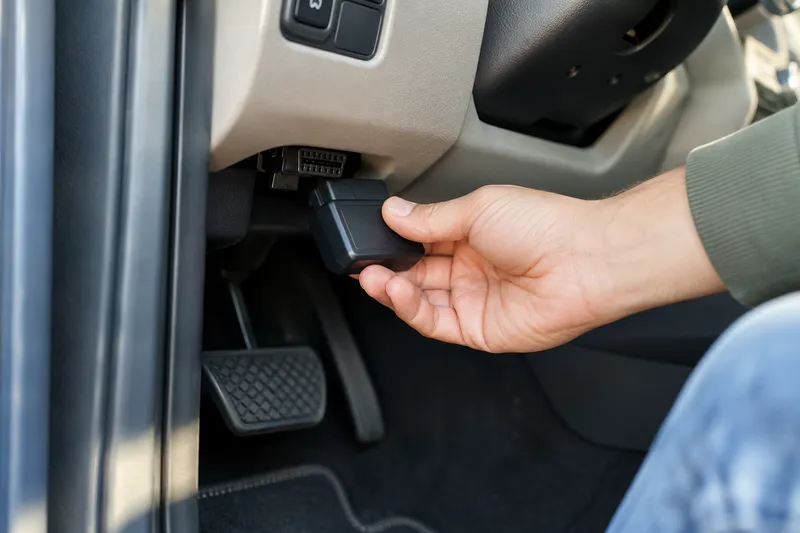
If you drive fewer miles than average or have smooth driving habits, a telematics or pay-per-mile program may reduce your premium. These programs track driving through a phone app or plug-in device and price based on mileage, braking, speed or time of day. Be aware that in some programs, risky driving can raise your rate. Our guide to usage-based car insurance covers how they work.
Long-term ways to pay less
Some factors take time to change but have a big effect:
- Keep a clean driving record. Tickets and at-fault accidents usually raise rates for three to five years.
- Improve your credit. In states that allow credit-based insurance scores, better credit is often associated with lower premiums.
- Choose your next car with insurance in mind. Vehicles with high repair costs, high theft rates or powerful engines usually cost more to insure. Get quotes before you buy.
- Avoid coverage lapses. Even a short gap can raise your future rates.
- Take a defensive driving course. Some insurers offer a discount, and in some states it can also offset points from a ticket.
Quick reference: savings vs. tradeoffs
| Strategy | Typical savings potential | Tradeoff |
|---|---|---|
| Comparing quotes | Can be significant | Time spent shopping |
| Claiming discounts | Small to moderate each, can add up | Minimal |
| Raising deductibles | Moderate | More out of pocket per claim |
| Dropping collision/comprehensive on old car | Can be significant | No payout for your own car's damage |
| Bundling policies | Moderate | May limit your choice of insurers |
| Usage-based program | Varies widely | Driving data is tracked; rates may rise in some programs |
| Cutting liability to minimum | Usually small | Large exposure to lawsuits |
What not to cut
Some cuts look attractive on a quote but can cost far more than they save:
- Liability limits. This is the coverage that protects your savings and future income if you injure someone.
- Uninsured and underinsured motorist coverage. It protects you and your passengers when the at-fault driver cannot pay.
- Collision and comprehensive on a financed car. Your lender likely requires them, and dropping them can lead to expensive force-placed coverage.
- Continuous coverage. Letting a policy lapse, even briefly, can raise future quotes and may violate state law.
If money is tight, it is usually better to raise deductibles or trim optional extras than to reduce any of these.
The bottom line
The safest ways to lower car insurance are comparing quotes, claiming every discount and keeping your information current. Raising deductibles and dropping physical damage coverage on older cars can save more but shift risk to you. Keep your liability limits strong; that is the protection you can least afford to cut.
Frequently asked questions
What is the fastest way to lower my car insurance?
The fastest options are usually comparing quotes from several insurers and asking your current insurer to review your discounts. Raising your collision and comprehensive deductibles can also lower your premium immediately. Both can be done in an afternoon. Longer-term moves, like improving your driving record or credit, take time to show up in your rate.
Will my car insurance go down when I turn 25?
Many drivers see rates start to decline in their mid-20s as they gain experience, and 25 is a commonly cited point. There is no automatic drop on your birthday, though. The change typically shows up at your next renewal, and your driving record, location and vehicle still matter. If your rate does not fall, compare quotes from other insurers.
Does paying car insurance in full save money?
Often, yes. Many insurers offer a paid-in-full discount or charge installment fees for monthly plans, so paying for six or twelve months up front can reduce the total cost. The savings are usually modest. If paying in full would drain your emergency fund, monthly payments set up on autopay are a reasonable alternative.
Can I negotiate my car insurance rate?
You cannot haggle over the base rate the way you would at a car lot, because insurers file their rates with state regulators. You can, however, ask for a policy review to confirm all eligible discounts are applied, correct inaccurate information like mileage or garaging address, and adjust coverage and deductibles. A competing quote can also prompt a closer review.
Does a lower credit score raise car insurance rates?
In most states, insurers can use a credit-based insurance score as one rating factor, and a weaker score is often associated with higher premiums. A few states ban or restrict the practice. Paying bills on time and keeping credit card balances low can improve your score over time, which may help at future renewals where credit is allowed.
Official Resources & Further Reading
Use these resources to check current guidance. Requirements and availability may vary by state and provider.
This guide is for general educational purposes and is not individualized financial, legal, tax or insurance advice. Product terms, rates and availability vary by provider and location. How we make money.