Key takeaways
- Gap insurance pays the difference between your car's actual cash value and what you still owe if it is totaled or stolen.
- It matters most with small down payments, long loan terms, rolled-over negative equity, or fast-depreciating cars.
- Buying it from your auto insurer is often cheaper than buying it from a dealer at signing.
- Once you owe less than the car is worth, gap coverage no longer does anything and can usually be canceled.
In this guide
Gap insurance covers the difference between what your car is worth and what you still owe on your loan or lease if the car is totaled or stolen. Standard auto insurance pays only the car's actual cash value, so gap coverage protects you from owing money on a car you no longer have.
New cars often lose value faster than loan balances shrink, especially early on. That gap between value and debt is what this coverage exists to fill. Below, we explain how it works, what it costs, and when it is worth buying.
How does gap insurance work?
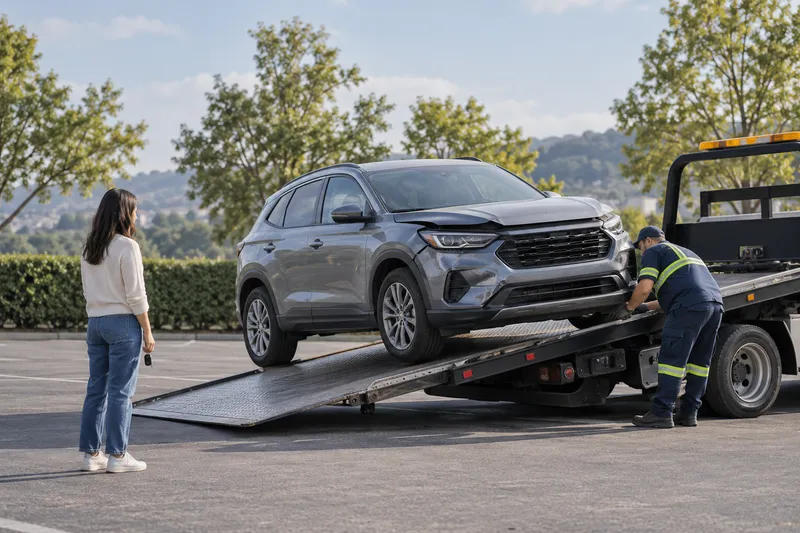
If your car is totaled or stolen and not recovered, your collision or comprehensive coverage pays the car's actual cash value (ACV), minus your deductible. ACV is the market value of the car at the time of the loss, not what you paid for it.
If you owe more than that on your loan, you are responsible for the remainder. Gap insurance pays some or all of it, directly to the lender.
Gap coverage works only alongside collision and comprehensive. If you do not carry those, there is no primary payout for gap to supplement.
Who needs gap insurance?
You are more likely to owe more than your car is worth, or to be "upside down," if:
- You made a small down payment or none, a risk our guide on car down payments explains in detail
- You chose a long loan term, such as 72 or 84 months (see our guide to auto loan term length)
- You rolled negative equity from a previous car into the new loan
- You bought a model that depreciates quickly
- You drive high mileage, which reduces the car's value faster
- You lease, since many leases start with a balance above the car's market value
You may not need gap insurance if you put down a sizable down payment, chose a short loan, bought a car that holds its value well, or paid cash. For more on the problem gap coverage solves, read our guide to an upside-down car loan.
Where to buy gap insurance
There are three common sources, and prices can differ substantially.
| Source | How you pay | Pros | Cons |
|---|---|---|---|
| Your auto insurer | Small addition to your regular premium | Often the lowest-cost option; easy to drop later | Not every insurer offers it; may have age limits on the vehicle |
| Dealer or lender | Often a one-time fee, frequently rolled into the loan | Convenient at signing | Often costs more; interest charged if financed |
| Credit union or bank | One-time fee or monthly | May be cheaper than dealer products | Must usually be purchased when the loan is originated |
Some insurers also sell loan/lease payoff coverage, a related product that pays up to a percentage of the car's value above the ACV rather than the full gap. It can leave a shortfall if you are deeply upside down, so read the terms.
What gap insurance does not cover
Gap coverage is narrow by design. It typically does not pay for:
- Your deductible (unless your specific product includes it)
- Overdue loan payments, late fees, or penalties
- Extended warranties, service contracts, or other add-ons rolled into the loan
- Negative equity from a prior loan beyond limits in the contract
- Repairs to a car that is damaged but not totaled
- A replacement car or rental car
How long do you need gap insurance?
Gap coverage is useful only while you owe more than the car is worth. Once your loan balance drops below the car's market value, it pays nothing.
To check where you stand, compare your current loan payoff amount with an estimate of your car's value from a pricing guide. When value comfortably exceeds your balance, it is usually time to drop the coverage. If you bought it from a dealer or lender, ask whether a prorated refund is available when you cancel, pay off, or refinance.
How to file a gap insurance claim
A gap claim follows your main auto insurance claim, so the process runs in two stages:
- File the total loss claim with your auto insurer. It will inspect the car, declare it a total loss, and determine the actual cash value.
- Get the settlement paperwork. You will need the settlement letter showing the ACV payout and the deductible applied.
- Request a payoff statement from your lender showing the balance on the date of loss.
- Contact the gap provider (your insurer, dealer product administrator, or lender) and submit the settlement, payoff statement, loan contract, and police report if the car was stolen or in a crash.
- Keep making loan payments until the lender confirms the account is paid in full. Missed payments during the claim may not be covered and can hurt your credit.
If you think the insurer's valuation of your car is too low, dispute it before accepting the settlement, since a higher ACV reduces the gap and protects you if the gap product has a payout cap.
Gap insurance vs. new car replacement coverage
These are sometimes confused:
- Gap insurance pays off your loan balance above the car's value. It protects your finances, not your ability to get another car.
- New car replacement coverage, offered by some insurers for newer vehicles, pays to replace your totaled car with a new one of the same make and model, rather than just the depreciated value.
Neither is standard; both are optional add-ons. For an overview of the core coverages these build on, see our guide to car insurance coverage types.
The bottom line
Gap insurance protects you from owing money on a car that has been totaled or stolen, and it matters most early in a loan with a small down payment or long term. Compare your insurer's price with the dealer's, understand what the product excludes, and drop it once your loan balance falls below the car's value.
Frequently asked questions
Is gap insurance worth it?
It is worth it when you owe more on your loan or lease than the car is worth, which is common in the first years of ownership with a small down payment or long term. If you put down a large down payment, chose a short loan, or already have positive equity, gap coverage likely adds little value.
How much does gap insurance cost?
When added to an auto insurance policy, gap coverage is often a relatively small addition to your premium. Dealers and lenders commonly sell it as a one-time charge, often several hundred dollars or more, and that amount may be rolled into the loan so you pay interest on it. Prices vary by provider, vehicle, and state.
Can I cancel gap insurance?
Usually, yes. If you bought it through your insurer, you can typically drop it from your policy when you no longer need it. If you bought it from a dealer or lender and paid up front, you may be entitled to a prorated refund when you pay off, refinance, or sell. Contact the provider and ask about their refund process.
Does gap insurance cover my deductible?
Some gap products cover your collision or comprehensive deductible, and many do not. Coverage details vary by provider, so read the contract. Gap coverage also usually excludes items like overdue payments, late fees, extended warranties, and negative equity carried over from a previous loan beyond certain limits.
Do I need gap insurance on a lease?
Many leases already include gap protection, sometimes called a gap waiver, built into the lease agreement. Check your contract before buying separate coverage. If the lease does not include it, the leasing company may require you to buy it, because leased cars often lose value faster than the lease balance declines early in the term.
Official Resources & Further Reading
Use these resources to check current guidance. Requirements and availability may vary by state and provider.
This guide is for general educational purposes and is not individualized financial, legal, tax or insurance advice. Product terms, rates and availability vary by provider and location. How we make money.