Key takeaways
- New drivers pay more because insurers have no driving history to price, and teens carry the highest statistical crash risk.
- Teens are usually cheapest to insure on a parent's policy rather than on a separate policy of their own.
- Adult first-time drivers often pay less than teens but more than experienced drivers until they build a record without lapses.
- Discounts for good grades, driver training, telematics, and the right choice of car can meaningfully offset the surcharge.
In this guide
Car insurance for new drivers usually costs more than average because insurers have no driving record to judge. Teens are typically cheapest to insure as an added driver on a parent's policy, while adult first-time drivers buy their own policy and pay a surcharge that fades as they build a clean, continuous history.
"New driver" covers two very different people: a 16-year-old with a fresh license and a 35-year-old who never needed a car until a job move. Insurers treat them differently, and the smartest ways to save differ too. This guide covers both.
Why is car insurance expensive for new drivers?
Insurers set prices using data on who files claims. Two things push new-driver rates up:
- No track record. A driving history and a record of continuous insurance are among the strongest signals insurers use. A new driver has neither.
- Age-related risk (for teens). Young drivers, especially teenage boys, are involved in crashes at higher rates than older drivers, and insurers price that in.
Other standard rating factors still apply: where you live, the car you drive, how much you drive, the coverage you choose, and in most states your credit-based insurance score. For a fuller breakdown, see how much car insurance costs.
Car insurance for teen drivers
Permit stage
In many cases a teen with a learner's permit is covered by the household policy while driving with a licensed adult, sometimes without a premium change. Insurer rules differ, so call before the first practice drive and ask two questions: is the permit driver covered now, and when must they be added as a listed driver?
Adding a licensed teen to your policy
Once your teen is licensed, most insurers require you to add them if they live with you and have access to your cars. Adding a teen is almost always cheaper than a separate policy because the household keeps its multi-car, bundling, and loyalty discounts and the experienced drivers' history helps.
Expect a noticeable increase. It is common for a household premium to rise substantially when a teen is added, with the exact amount depending heavily on state, insurer, and vehicle.
Which car should a teen drive?
The vehicle your teen is assigned to drive can change the price as much as the teen does. Insurers generally charge less for:
- Mid-size sedans and small SUVs with strong safety ratings
- Older cars where you can drop collision and comprehensive
- Vehicles without high horsepower or high theft rates
A sports car or a new luxury vehicle will cost far more to insure for a young driver.
Car insurance for adult first-time drivers
Adults who are getting licensed for the first time, or who have driven for years without their own policy, face a different set of issues:
- No prior insurance history. Insurers often surcharge drivers who cannot show recent continuous coverage. If you were listed as a driver on someone else's policy, ask that insurer for a letter of experience; it may help.
- Age works in your favor. A 30-year-old new driver is usually cheaper to insure than a 17-year-old with the same experience.
- Recent immigrants or returning drivers. A foreign license or a driving record from another country is credited by some insurers and not others, so it is worth asking each company you quote.
Adults typically buy a policy in their own name. If you live with a partner or family member who is insured, being added to their policy may be cheaper, but you must live at the same address and the car should be registered appropriately.
Teen vs. adult new driver: how they compare
| Factor | Teen driver | Adult first-time driver |
|---|---|---|
| Usual way to get covered | Added to a parent's policy | Own policy, or added to a household member's |
| Biggest rate driver | Age and inexperience | Lack of driving and insurance history |
| Typical cost trend | Highest rates of any group; falls gradually into the mid-20s | High at first; can drop after a few clean, continuous years |
| Key discounts | Good student, driver training, student away at school | Defensive driving, telematics, bundling, paid in full |
| Main risk to watch | Tickets or crashes raising the household premium | Coverage lapses that restart the "new" clock |
How new drivers can lower their car insurance cost
Discounts matter more for new drivers than for anyone else, because the base rate is so high. Our full list of car insurance discounts goes further, but these tend to help most:
- Good student discount. Often available to full-time students who maintain a B average or similar.
- Driver training or defensive driving courses. Many insurers credit approved courses, particularly for teens.
- Student away at school. If a student lives far from home without a car, many insurers reduce the rate.
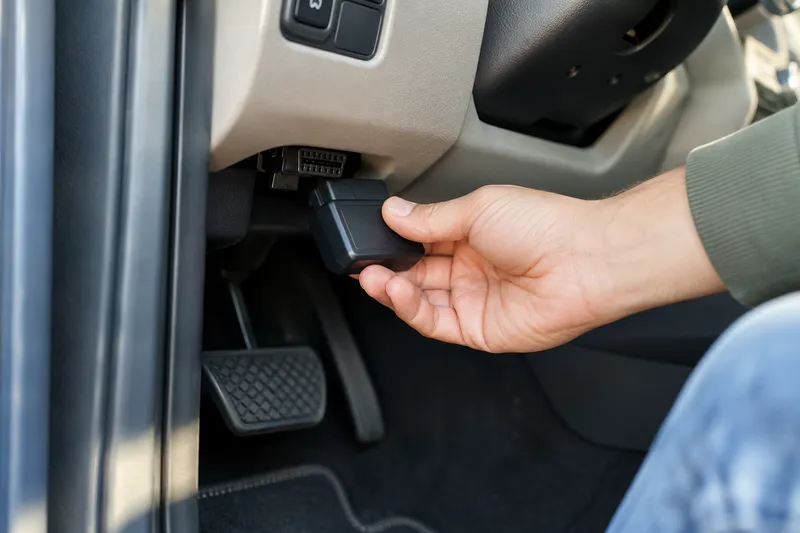
- Usage-based programs. Telematics apps or plug-in devices track actual driving and can reward safe habits. See our guide to usage-based car insurance for how they work and the downsides.
- Higher deductibles. Raising collision and comprehensive deductibles lowers the premium if you can cover the out-of-pocket amount.
- Bundling and multi-car. Combining auto with renters or home insurance often helps.
What coverage should a new driver carry?
Nearly every state requires liability coverage, and most lenders require collision and comprehensive on financed cars. Beyond the legal minimum, new drivers should think about:
- Liability limits above the minimum. State minimums are often low relative to the cost of a serious crash.
- Uninsured motorist coverage, which protects you if someone without enough insurance hits you. Our guide to uninsured motorist coverage explains how it works.
- Collision and comprehensive, if the car is financed, leased, or valuable enough that you could not easily replace it.
If you are also financing your first car, understand how the loan and insurance fit together; our guide to how auto loans work covers the basics.
The bottom line
New drivers pay more because insurers have no history to go on, but the gap narrows with every clean, continuous year. Teens usually save by joining a parent's policy, while adults should keep coverage continuous and lean on discounts. Choose the car with insurance in mind, and re-shop regularly as your record improves.
Frequently asked questions
Do you need car insurance with a learner's permit?
In many cases a permit driver is covered under the policy of the household they live in, as long as they drive with a licensed adult. Rules vary by insurer and state, and some companies want permit drivers listed on the policy. Call your insurer before the first practice drive to confirm coverage and ask when the teen must be formally added.
Is it cheaper to add a teen to a parent's policy?
Usually, yes. A teen on a parent's policy benefits from the parent's history, multi-car and bundling discounts, and shared coverage, so the added cost is typically lower than a standalone teen policy. The trade-off is that a teen's accident or ticket can raise the rate for the whole household policy.
Why is car insurance so expensive for new adult drivers?
Insurers price risk partly on driving history and prior insurance. A new adult driver has neither, so the insurer treats them as an unknown. Rates are often lower than for teens because age is still a factor, and they generally fall once you build a few years of continuous coverage and a clean record.
When do car insurance rates go down for new drivers?
Rates often start easing after the first few years of claim-free driving, and many drivers see further drops around their mid-20s. Keeping coverage continuous matters, because a lapse can erase part of that progress. Re-shop at each renewal once your record improves, since insurers credit experience differently.
Can a new driver get their own car insurance policy?
Yes. Any licensed driver can buy a policy in their own name, and it is required if they own and register the car themselves. For a minor, a parent typically must co-sign or be the named insured. Standalone policies for young drivers are usually more expensive than being added to a household policy.
Official Resources & Further Reading
Use these resources to check current guidance. Requirements and availability may vary by state and provider.
This guide is for general educational purposes and is not individualized financial, legal, tax or insurance advice. Product terms, rates and availability vary by provider and location. How we make money.