How Much Is Homeowners Insurance? What Sets Your Premium
Premiums swing by thousands of dollars from one home to the next. Here is what insurers actually price, and which levers you control.
Insurance
Homeowners insurance protects the biggest purchase most people make, yet many owners only read their policy after something goes wrong. These guides explain coverage, costs, deductibles and gaps like flood in plain English, so you can choose limits with confidence and compare quotes fairly.
Premiums swing by thousands of dollars from one home to the next. Here is what insurers actually price, and which levers you control.

A standard policy protects your house, belongings, liability and living costs after a covered loss, but the exclusions matter just as much as the coverages.

The lowest number on a quote means little until the coverage underneath it matches. Here is how to line quotes up fairly.

Your dwelling limit should match what it would cost to rebuild your house today, which is rarely the same as its price or its mortgage balance.

The same loss can produce two very different checks depending on one line in your policy. Here is how each method works and when each makes sense.
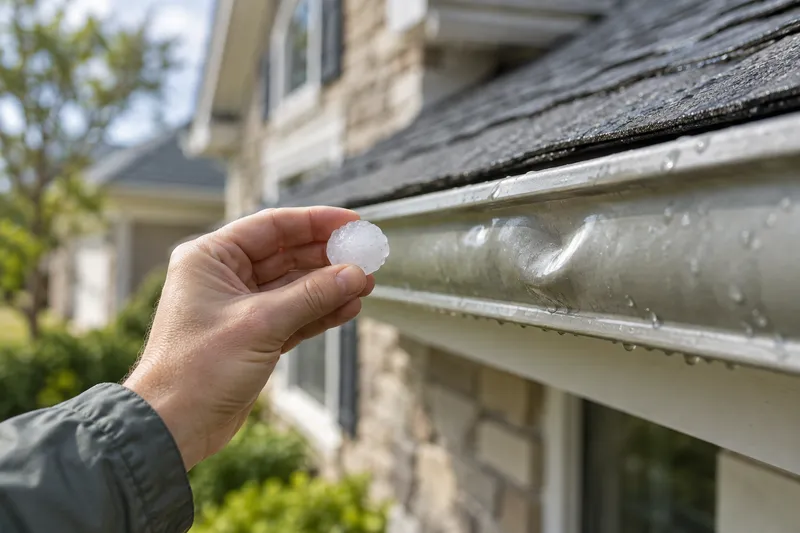
Your deductible decides how much of each loss you pay yourself. In storm-prone areas, a second percentage-based deductible can matter even more.
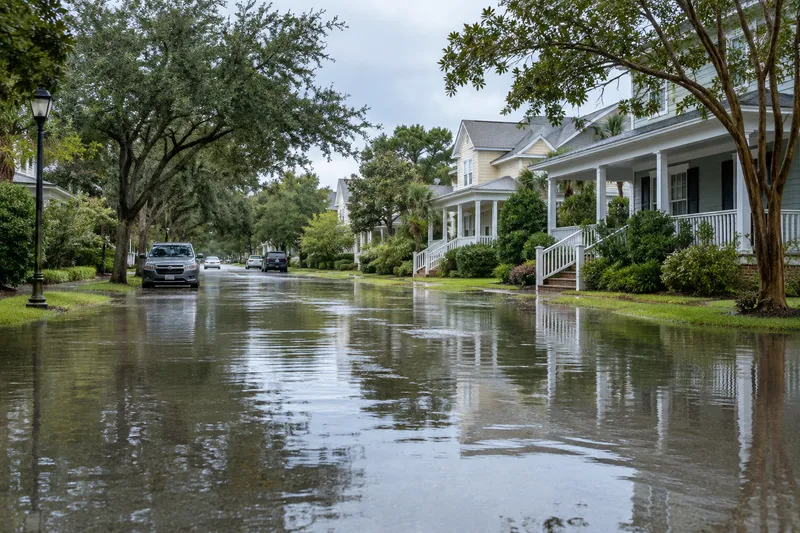
Standard homeowners policies exclude flood. Here is how separate flood coverage works, how the federal program compares with private options, and when to buy.

Standard homeowners policies exclude earthquake damage. Here is how separate quake coverage works, what the deductible really means, and how to judge whether you need it.

The fastest savings usually come from shopping around, raising your deductible and claiming every discount. Here is how to cut your premium without creating a coverage gap.

A multi-policy discount can be meaningful, but the cheapest bundle is not always cheaper than two separate policies. Here is how to run the comparison.

What you do in the first few days after damage shapes your payout. Here is the process from the moment of loss to the final check.

Your landlord's policy covers the building, not your things or your liability. Renters insurance fills that gap for a relatively small monthly cost.

Your roof is one of the biggest factors in whether an insurer will cover your home, what you pay and how much you get after storm damage.

Your association's master policy covers part of the building. An HO-6 policy covers the rest, plus your belongings and liability. The trick is knowing where the line falls.
A homeowners policy is really several coverages in one: protection for the house, other structures, your belongings, extra living costs after a loss and your personal liability. Each part has its own limit, and the details, from how your roof is settled to whether you carry a percentage hurricane deductible, decide how much a claim actually pays.
Premiums vary widely by location, rebuild cost and risk, and they have generally risen in recent years. That makes it more important than ever to set accurate limits and shop carefully. A good starting point is our breakdown of how much homeowners insurance costs, followed by an overview of what a standard policy covers and excludes.
Start with coverage basics, then move to the decisions that shape your policy:
Renters and condo owners have their own policy types, and roof age, bundling and claims each get dedicated guides in this section as well.