Key takeaways
- A typical HO-3 policy bundles six coverages: dwelling, other structures, personal property, loss of use, personal liability and medical payments.
- The house is usually covered for all risks except those excluded, while belongings are usually covered only for listed perils.
- Flood and earthquake are excluded from standard policies and require separate coverage.
- Valuables like jewelry have low special limits unless you schedule them with an endorsement.
In this guide
Homeowners insurance covers damage to your house and other structures, your personal belongings, extra living costs if you must move out during repairs, and your legal liability if someone is hurt or their property is damaged. It pays only for covered perils such as fire, wind, hail and theft, and it excludes flood, earthquake and wear and tear.
That is the short version. The details sit in six separate coverage parts, each with its own limit, plus a list of perils and exclusions that decide whether a specific loss gets paid. Understanding how they fit together is the fastest way to find gaps in your own policy.
The six parts of a standard homeowners policy
Most owner-occupied single-family homes are insured on an HO-3 form, sometimes called a special form policy. It groups coverage into lettered sections. The percentages below are common defaults, but insurers and states vary and many let you adjust them.
| Coverage | What it protects | Common default limit |
|---|---|---|
| A: Dwelling | The house and attached structures such as a garage or deck | Set to estimated rebuild cost |
| B: Other structures | Detached garage, fence, shed, guest house | Often around 10% of Coverage A |
| C: Personal property | Furniture, clothing, electronics and other belongings | Often around 50% to 70% of Coverage A |
| D: Loss of use | Extra living expenses while the home is unlivable | Often around 20% to 30% of Coverage A, or a time limit |
| E: Personal liability | Injuries or property damage you cause to others, plus defense costs | Commonly $100,000 to $500,000 |
| F: Medical payments | Small medical bills for guests hurt on your property, regardless of fault | Commonly $1,000 to $5,000 |
Dwelling and other structures
Coverage A is the heart of the policy and should equal what it would cost to rebuild your home with similar materials at today's labor prices, not its market value. Our guide on how much dwelling coverage you need explains how to set it. Coverage B applies to structures not attached to the house.
Personal property
Coverage C pays for your belongings if they are stolen or damaged by a covered peril, at home or while traveling. Whether you get the cost of a new item or its depreciated value depends on your loss settlement terms; see replacement cost vs actual cash value for how that choice plays out in a claim.
Loss of use
If a fire or storm makes your home unlivable, Coverage D pays the additional costs of living elsewhere, such as a rental, hotel bills and higher food costs above your normal spending. It covers the difference, not your full budget.
Liability and medical payments
Coverage E protects you if you are legally responsible for injuring someone or damaging their property, on or off your premises, and pays for your legal defense. Coverage F pays smaller medical bills for guests without anyone needing to prove fault, which can head off a lawsuit.
Which perils are covered?
A peril is a cause of loss. How your policy treats perils is just as important as the limits.
- The house (Coverage A and B): On an HO-3, usually covered on an open-perils basis, meaning any cause of loss is covered unless the policy specifically excludes it.
- Your belongings (Coverage C): Usually covered on a named-perils basis, meaning only the causes listed in the policy are covered.
Named perils on a typical policy commonly include fire and lightning, windstorm and hail, explosion, riot, aircraft and vehicle damage, smoke, vandalism, theft, falling objects, weight of ice and snow, sudden accidental water discharge, freezing of plumbing and sudden electrical damage.
What homeowners insurance does not cover
Exclusions are where most claim disputes start. The big ones:
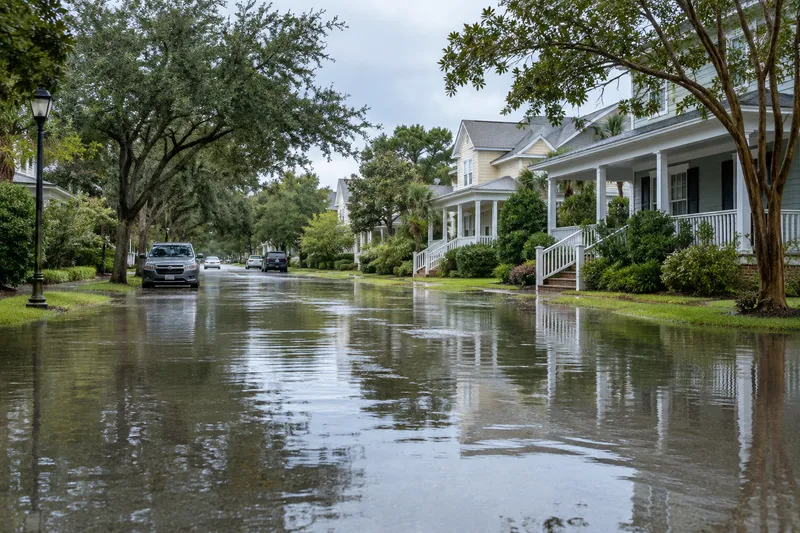
- Flood: Rising water from storms, rivers or storm surge is excluded. You need a separate flood insurance policy.
- Earthquake and earth movement: Excluded, including sinkholes in many states. Earthquake insurance is sold separately or as an endorsement.
- Wear, tear and neglect: Insurance covers sudden events, not a roof that wore out or a slow leak you ignored.
- Pests and vermin: Termite, rodent and insect damage is generally excluded.
- Mold: Often excluded or capped at a small amount unless caused by a covered water event.
- Sewer and drain backup: Excluded unless you add a water backup endorsement.
- Business activity: Home-based business equipment and liability are often limited or excluded.
Special limits on valuables
Even when a loss is covered, many policies cap payouts for certain categories of property. Common sub-limits apply to jewelry and watches, furs, cash, firearms, silverware, collectibles and business property. Theft of jewelry, for instance, is often limited to a few thousand dollars in total.
If you own items worth more than those caps, you can schedule them on a personal articles endorsement. Scheduled items typically get their own stated limit, broader peril coverage and sometimes no deductible.
Endorsements that close common gaps
A few add-ons are worth a look for most homeowners:
- Extended or guaranteed replacement cost: Adds a cushion above your dwelling limit if rebuild costs spike after a disaster.
- Water backup: Covers damage from sewer or sump pump failures.
- Ordinance or law: Pays for upgrades required by current building codes when you rebuild.
- Scheduled personal property: For jewelry, art, instruments and collectibles.
- Equipment breakdown and service lines: Covers mechanical failures and buried utility lines.
When you compare home insurance quotes, make sure each one includes the same endorsements, or the cheapest quote may simply be the thinnest.
The bottom line
A standard homeowners policy covers your house, belongings, living costs and liability against a defined set of sudden events. Its value depends on accurate limits and knowing the exclusions, especially flood, earthquake and sub-limits on valuables. Read your declarations page, then add endorsements or separate policies where your real risks sit.
Frequently asked questions
Does homeowners insurance cover water damage?
It covers sudden and accidental water damage, such as a pipe that bursts or a water heater that suddenly leaks. It generally does not cover damage from flooding, groundwater, gradual leaks you failed to fix or water that backs up through a sewer or drain unless you add a water backup endorsement. Flood damage requires a separate flood policy.
Does homeowners insurance cover roof replacement?
It can, if the roof is damaged by a covered peril such as wind, hail or a falling tree. It does not pay to replace a roof that is simply old or worn out. Some insurers settle older roofs at actual cash value, which subtracts depreciation, so check how your policy treats roof claims before you need one.
Does homeowners insurance cover theft away from home?
Usually, yes. Personal property coverage generally follows your belongings anywhere in the world, so a laptop stolen from a hotel room or a bike taken from a campus rack may be covered, subject to your deductible. Some policies cap off-premises coverage at a percentage of your personal property limit, so check your declarations page.
What is not covered by homeowners insurance?
Common exclusions include flood, earthquake, earth movement, wear and tear, neglect, pest damage such as termites, mold beyond small limits, sewer backup without an endorsement, government action, war and nuclear hazards. Business activity at home is also often limited. Many gaps can be closed with endorsements or separate policies.
Does homeowners insurance cover a dog bite?
Personal liability coverage often pays for injuries your dog causes to other people, including medical bills and legal costs if you are sued. However, some insurers exclude certain breeds or dogs with a bite history, and some charge more. Tell your insurer about pets when you buy a policy so there are no surprises at claim time.
Official Resources & Further Reading
Use these resources to check current guidance. Requirements and availability may vary by state and provider.
This guide is for general educational purposes and is not individualized financial, legal, tax or insurance advice. Product terms, rates and availability vary by provider and location. How we make money.