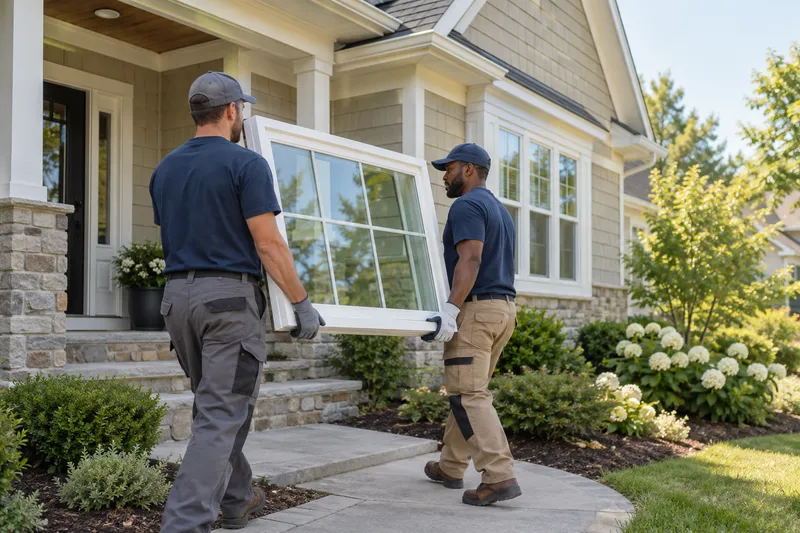
Window Replacement Cost: What You Can Expect to Pay Per Window
Frame material, window style and whether you replace the whole frame or just an insert decide most of the price. Here is how the numbers usually break down.
Home Services
Windows affect comfort, energy bills, curb appeal and even insurance claims. These guides explain what replacement typically costs, how to judge efficiency ratings, and when a repair makes more sense than buying new, so you can make a confident decision before calling installers.

Frame material, window style and whether you replace the whole frame or just an insert decide most of the price. Here is how the numbers usually break down.
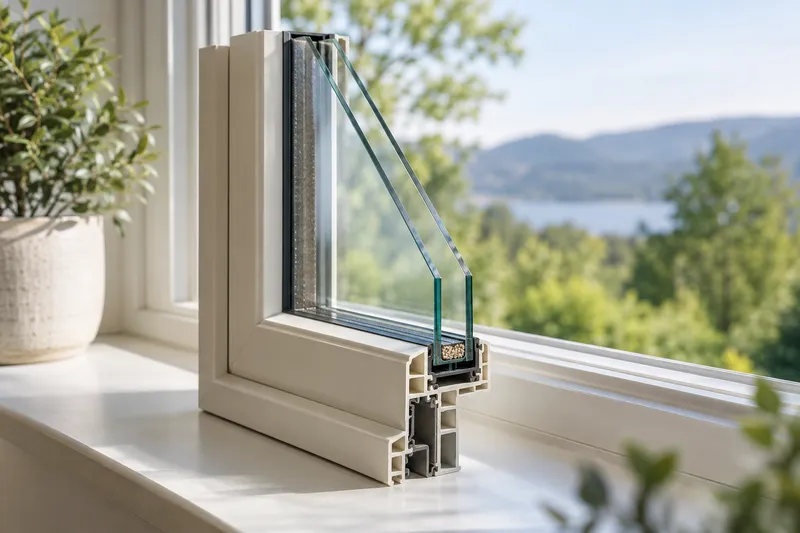
The NFRC label and your climate zone tell you more about a window's efficiency than any brochure. Here is how to read both and choose glass that fits your home.
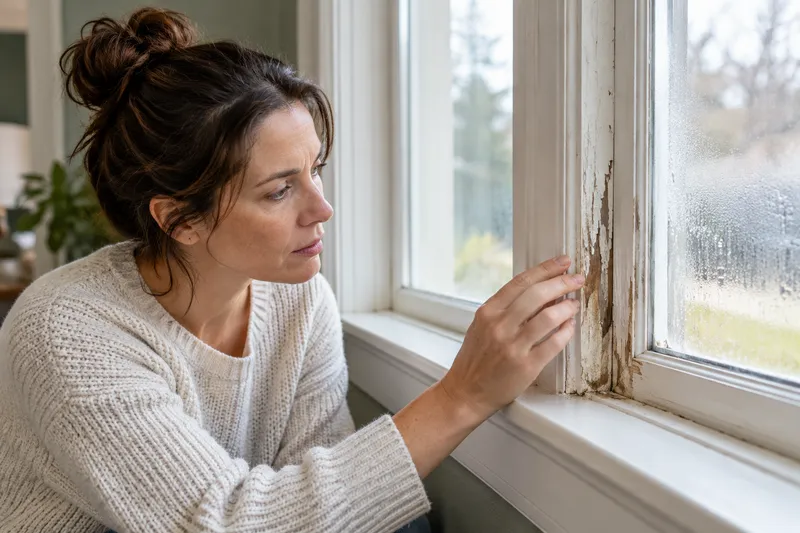
Many window problems can be fixed for a fraction of the price of new units. The key is knowing which problems are cosmetic and which signal a failing window.
Replacing windows is one of the larger home improvement projects most owners take on, and the quotes can vary widely for what looks like the same job. The difference usually comes down to frame material, glass package, window style and whether the installer replaces the full frame or fits an insert into the old one.
Start with our breakdown of window replacement cost to see how those choices move the price. If energy bills are the main concern, our guide to energy efficient windows explains the NFRC label and ENERGY STAR climate zones. And if you are dealing with fogged glass, drafts or soft wood, read window repair vs replacement before you commit to new units.
Begin by diagnosing the problem. A single failed seal or a stuck sash is often a repair. Widespread rot or many failing windows usually points to replacement. Next, set a budget using realistic per-window ranges and a contingency for hidden damage. Finally, collect several itemized bids and vet each installer using our checklist on how to hire a contractor.
Note that the federal Energy Efficient Home Improvement Credit (Section 25C) ended for property placed in service after December 31, 2025. Check state, local and utility programs for any remaining rebates.
Storm-damaged windows may be covered by insurance, while worn-out ones generally are not; our guide to what homeowners insurance covers explains the difference.