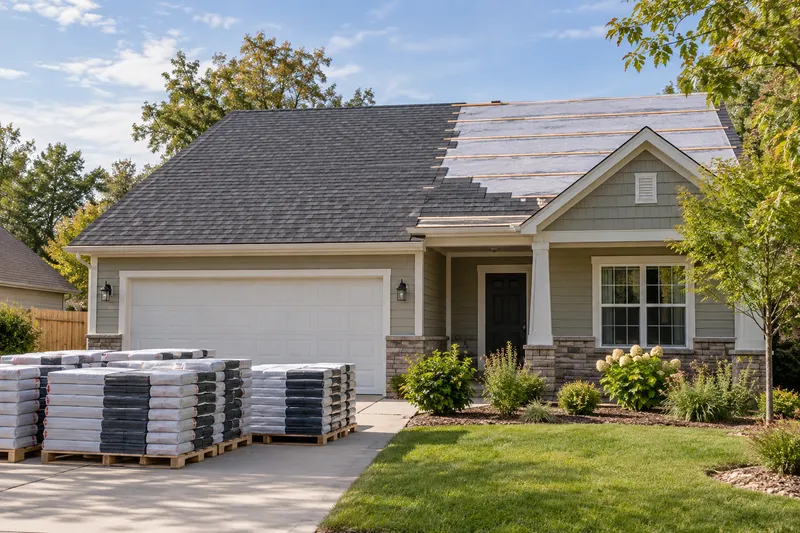
Roof Replacement Cost: What a New Roof Costs per Square and by Material
Roofers price by the square, and material choice drives most of the difference. Here is how to estimate a ballpark, read a quote and avoid surprise charges.
Home Services
A roof is one of the most expensive parts of a home to replace and one of the most important for protecting everything under it. These guides explain roofing costs, materials and warning signs so you can plan ahead and talk to contractors and insurers with confidence.
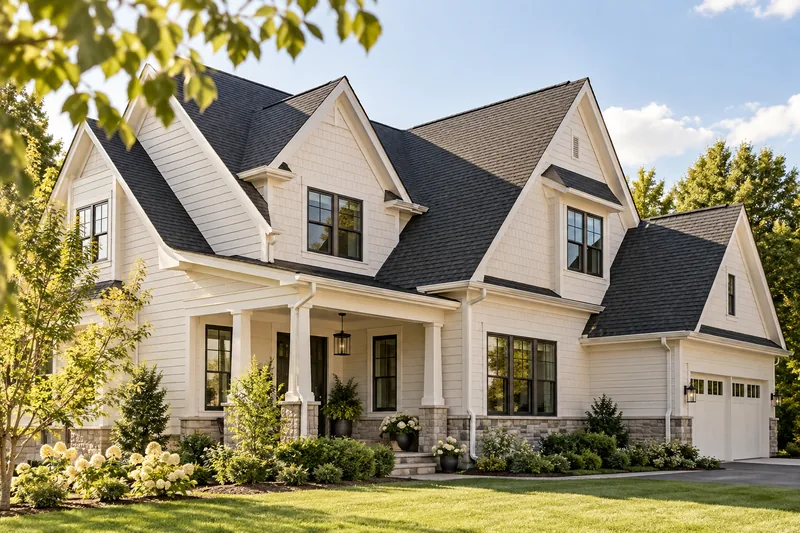
Roofers price by the square, and material choice drives most of the difference. Here is how to estimate a ballpark, read a quote and avoid surprise charges.
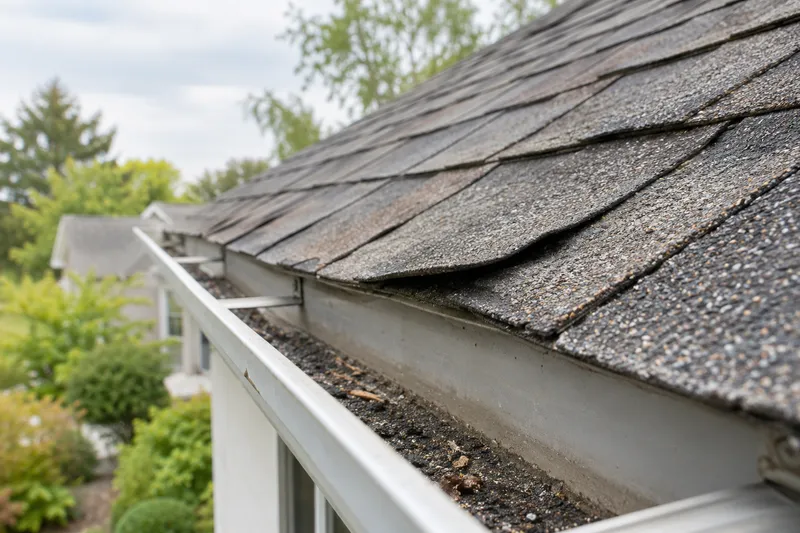
Most roofs give warnings before they fail. Here is what to look for from the ground, in the attic and in your gutters, and when repairs will no longer do.
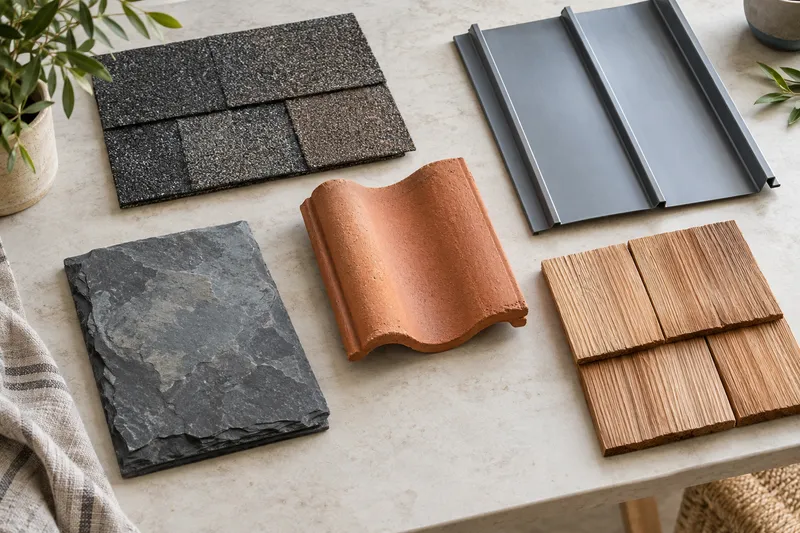
The right roof depends on your budget, climate, home style and how long you plan to stay. Here is how the six most common materials stack up.
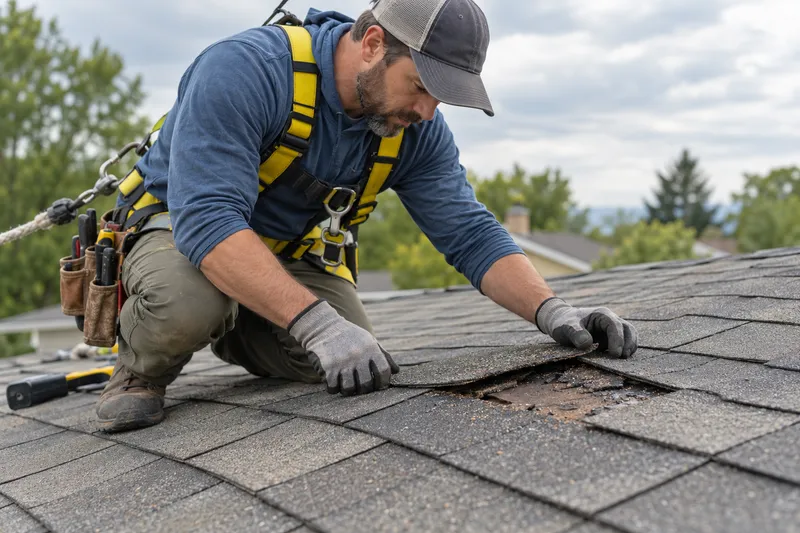
A leak does not always mean a new roof. Here is how to weigh age, damage and cost, what to know about storm claims, and how to avoid storm-chasing contractors.
Most homeowners replace a roof only once or twice, which makes it hard to know what a fair quote looks like or when a repair will do. Roof age and condition also affect your home insurance, so decisions about your roof ripple into your premiums and your coverage after a storm.
If you are not sure your roof is in trouble, start with signs you need a new roof to learn what to look for from the ground and in the attic. If you have a leak or storm damage, roof repair vs. replacement explains how to weigh cost against remaining roof life and how to avoid storm-chasing contractors.
Ready to budget? Our guide to roof replacement cost breaks down per-square pricing and the extras that show up on quotes. Then compare asphalt, metal, tile, slate, wood and synthetic options in roofing materials compared.
Because insurers look closely at roofs, read roof age and home insurance before you choose materials or decide to wait on a replacement.