Key takeaways
- Age is the first clue; many asphalt roofs need replacement somewhere around 20 to 30 years, depending on climate and quality.
- Curling or missing shingles, heavy granule loss and daylight in the attic are strong signs of a failing roof.
- A sagging roofline or soft decking can signal structural or moisture damage and needs prompt attention.
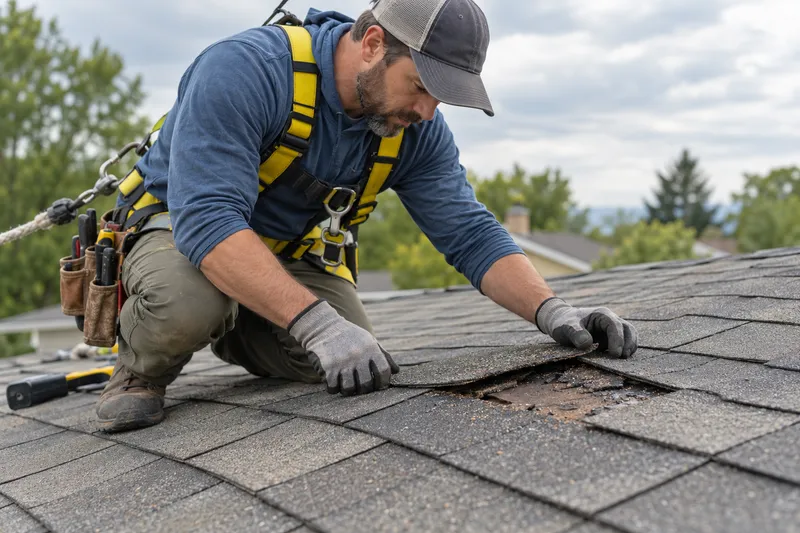
- Inspect from the ground or attic and hire a licensed roofer for anything on the roof itself.
In this guide
The main signs you need a new roof are age near the end of its expected life, curling or missing shingles across large areas, heavy granule loss, repeated leaks, daylight through attic boards and a sagging roofline. One damaged area can often be repaired, but widespread wear on an older roof usually points toward replacement.
A roof rarely fails overnight. It sends signals for months or years, and catching them early can prevent water damage to insulation, drywall and framing. Here is how to spot the warning signs safely and decide when it is time to call a roofer.
How old is your roof?
Age is the first thing to check. Look for permits, the home inspection report from when you bought the house or receipts from a past owner. Typical lifespans vary by material and climate:
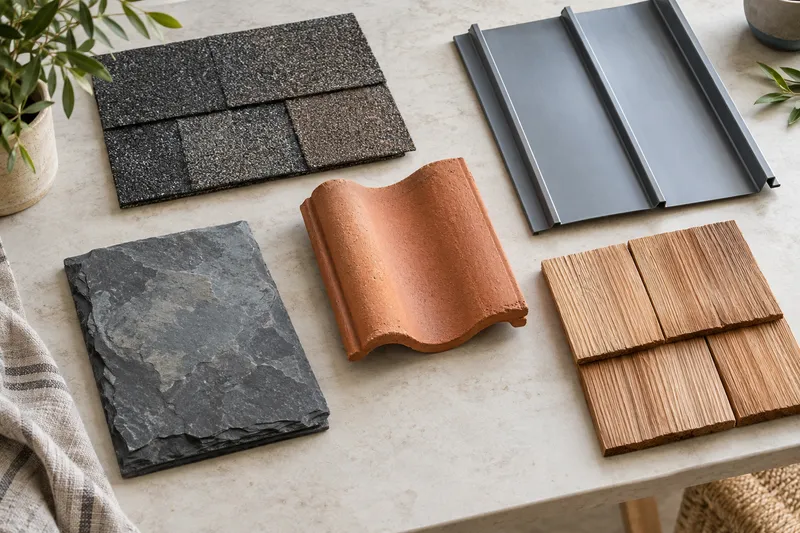
| Roofing material | Rough typical lifespan |
|---|---|
| 3-tab asphalt shingles | About 15 to 20 years |
| Architectural asphalt shingles | About 20 to 30 years |
| Wood shakes | About 20 to 40 years |
| Metal | About 40 to 70 years |
| Clay or concrete tile | About 50 years or more |
| Slate | Can exceed 75 years |
A roof that is near or past these ranges deserves a closer look even if you see no obvious damage. Age also matters to insurers, as explained in our guide to roof age and home insurance.
Warning signs you can see from outside
Walk around the house with binoculars on a clear day and look for:
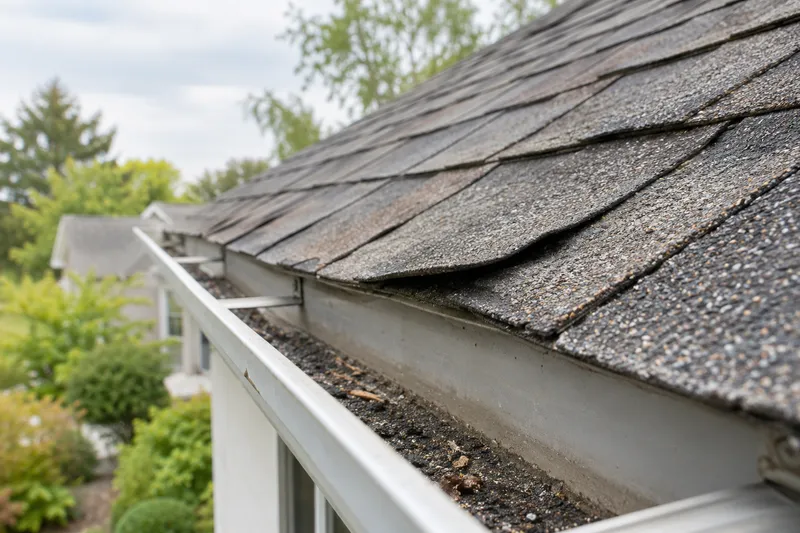
- Curling or cupping shingles: Edges turning up or middles sinking, often from age, heat or poor ventilation.
- Cracked or missing shingles: A few after a storm may be repairable; many across the roof suggest general failure.
- Bald spots and granule loss: Dark, smooth patches where the protective granules have worn away.
- Moss, algae or rot: Moss holds moisture against the roof; dark streaks from algae are often cosmetic, but rot is not.
- Damaged flashing: Rusted, bent or separated metal around chimneys, vents and valleys.
- Sagging roofline: A dip or wave in the ridge or roof plane can signal decking or structural problems.
Warning signs inside your home
Some of the clearest signals show up indoors:
- Daylight through the roof boards: If you can see light in the attic, water can get in.
- Water stains or damp insulation: Look along rafters, around chimneys and at the underside of the decking.
- Ceiling stains and peeling paint: Brown rings on ceilings or bubbling paint near exterior walls.
- Soft or spongy decking: Areas that feel soft from the attic side point to moisture damage.
- High energy bills or ice dams: Poor ventilation and insulation can shorten roof life and cause ice buildup in cold climates.
Why leaks can be misleading
Water often enters at one spot and travels along rafters before dripping onto a ceiling. A stain in one room does not always mean the damage is directly above it. A roofer will trace the leak back to its source.
Storm damage signs
After hail or high winds, look for dents on gutters, vents and downspouts, missing shingles, exposed underlayment and debris on the roof. Hail can bruise shingles in ways that are hard to see from the ground. If you suspect storm damage, document it with photos and learn how to file a home insurance claim before agreeing to any work. Be wary of contractors who show up uninvited right after a storm.
Repair or replace?
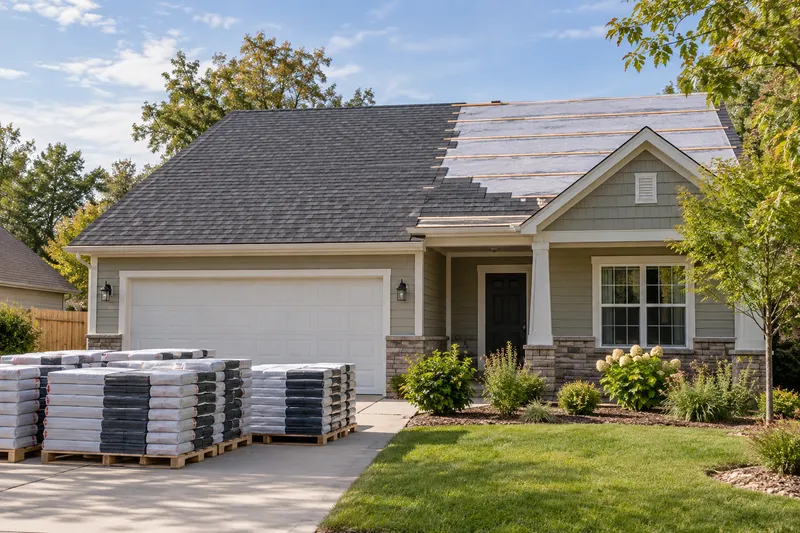
A younger roof with localized damage can usually be repaired. An older roof with widespread wear, or one that keeps leaking in new places, is often a better candidate for replacement. Our guide to roof repair vs. replacement explains how to weigh cost, age and insurance.
If replacement is likely, get a sense of the budget with our guide to roof replacement cost and compare options in roofing materials compared.
Problems that can shorten a roof's life
Some roofs fail early because of conditions around them rather than the material itself. Watch for:
- Poor attic ventilation: Trapped heat and moisture can bake shingles from below and cause rot and mold.
- Clogged gutters: Water that backs up can soak the roof edge and fascia, and in cold climates contribute to ice dams.
- Overhanging branches: Limbs scrape shingles, drop debris and give moss a shady place to grow.
- Past roof-overs: A second layer of shingles installed over the first can trap heat and hide decking problems.
- Improper installation: Wrong nail placement or missing starter strips can cause shingles to blow off early.
Fixing these issues can extend the life of your current roof and should be part of any replacement plan so the new roof lasts as long as it should.
What to do next
- Note what you have seen and take photos from the ground and attic.
- Get an inspection from a licensed, insured roofer, and consider a second opinion for major work.
- Ask for a written assessment that separates repairable issues from roof-wide problems.
- If storm damage is involved, contact your insurer before signing a contract.
The bottom line
The strongest signs you need a new roof are advanced age combined with widespread shingle damage, granule loss, recurring leaks or a sagging roofline. Inspect from the ground and the attic, not from the roof itself, and get a professional assessment before deciding. Catching problems early protects the rest of your home from water damage.
Frequently asked questions
How do I know if my roof needs to be replaced?
Look at age first, then condition. Widespread curling, cracking or missing shingles, bald spots from granule loss, repeated leaks, daylight through the attic boards and a sagging roofline all suggest replacement. One or two damaged areas on a younger roof can often be repaired. A licensed roofer can confirm whether the problem is local or roof-wide.
How long does a roof last?
It depends on material, installation quality, ventilation and climate. Asphalt shingle roofs commonly last somewhere around 15 to 30 years, metal roofs often 40 years or more, and tile and slate can last many decades. Harsh sun, heavy storms and poor attic ventilation can shorten any roof's life.
Can a roof leak without visible damage outside?
Yes. Leaks often start at flashing around chimneys, vents and skylights, or under shingles where damage is not visible from the ground. Water can also travel along rafters before showing up as a ceiling stain far from the source. Check the attic after heavy rain and have a roofer inspect if you find stains or damp insulation.
Is granule loss a sign I need a new roof?
Some granule loss is normal, especially right after installation. Heavy granules in your gutters or downspouts on an older roof, or visible bald patches on shingles, mean the protective layer is wearing away. That exposes the asphalt to sun damage and usually signals the roof is near the end of its useful life.
Should I replace my roof before selling my house?
Not necessarily. A buyer's inspector will likely flag an old or failing roof, which can lead to price negotiations or insurance problems for the buyer. Sometimes a price credit is simpler than replacing it yourself. Get a roofer's assessment and a quote so you know the real cost before deciding.
Official Resources & Further Reading
Use these resources to check current guidance. Requirements and availability may vary by state and provider.
This guide is for general educational purposes and is not individualized financial, legal, tax or insurance advice. Product terms, rates and availability vary by provider and location. How we make money.