
First-Time Home Buyer Guide: How to Buy Your First Home Step by Step
Buying your first home is a sequence of manageable decisions. Here is the order to make them in, and what to check at each step.
Mortgage
Buying a home is usually the biggest financial decision most people make, and the mortgage you choose shapes your costs for decades. These guides explain how home loans work, what lenders look for, and how to compare offers so you can buy with confidence.

Buying your first home is a sequence of manageable decisions. Here is the order to make them in, and what to check at each step.
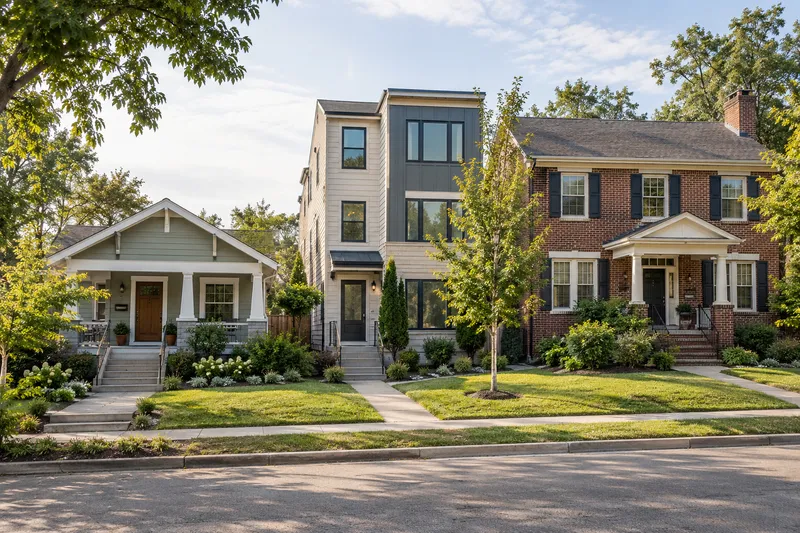
Each major loan type has its own down payment, credit and mortgage insurance rules. Matching the loan to your situation can save thousands.

A fixed rate buys certainty; an adjustable rate trades some certainty for a lower starting rate. Your timeline and risk tolerance decide which wins.

Lenders tell you the most you can borrow. The number that matters is the payment you can carry while still saving and living your life.

A preapproval tells you what you can realistically borrow and shows sellers you are a serious buyer. Here is how to get one without surprises.

Closing costs are the fees and prepaid items due when you finalize a mortgage. Knowing what each line means makes them easier to compare and trim.

PMI lets you buy with less than 20% down on a conventional loan. It protects the lender, not you, so the goal is to remove it as soon as you can.
A mortgage is more than an interest rate. The loan type, term, down payment, mortgage insurance and closing costs all affect what you pay each month and over the life of the loan. Our home loan guides break each of these decisions into clear steps, with worked examples you can adapt to your own numbers.
If you are just starting out, begin with our first-time home buyer guide, which lays out the entire process from budgeting to closing day. Next, work out how much house you can afford using debt-to-income ratios and the 28/36 rule, so you shop with a realistic price range.
When you are ready to compare financing, our overview of the types of mortgages explains conventional, FHA, VA, USDA and jumbo loans, and a separate guide compares fixed and adjustable rates, plus 15- versus 30-year terms. Then get a mortgage preapproval before you make offers.
Finally, budget for closing costs and learn how private mortgage insurance works if you are putting down less than 20%.
Already own a home? Our refinance guides cover when and how to replace your current mortgage.