Key takeaways
- Many replacement windows land somewhere around a few hundred to about $1,500 installed, with specialty shapes and bay or bow units costing far more.
- Insert (pocket) installs are usually cheaper than full-frame replacement, but only work when the existing frame is square, dry and solid.
- Vinyl tends to be the budget pick; fiberglass, wood and composite cost more but offer different durability and looks.
- The federal 25C tax credit for windows ended for property placed in service after Dec. 31, 2025, so check state and utility rebates instead.
In this guide
Window replacement cost commonly runs from a few hundred dollars to roughly $1,500 per window installed for standard sizes, and whole-house projects often total several thousand to well over $10,000. The biggest drivers are frame material, window style and size, and whether the installer does an insert or a full-frame replacement.
Those figures are broad ballparks, not quotes. Prices vary a lot by region, brand line, glass package and the condition of your existing openings. The sections below explain where the money goes so you can read a bid with confidence and decide where it makes sense to spend more.
Window replacement cost by frame material
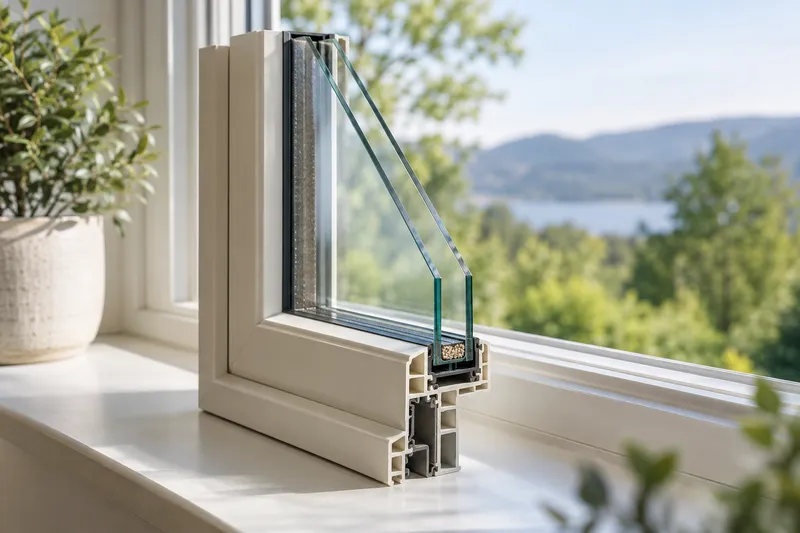
The frame is usually the single largest price lever after window size. Here is how the common options compare on typical installed cost per standard window and on everyday trade-offs.
| Frame material | Typical installed cost per window (rough) | Strengths | Trade-offs |
|---|---|---|---|
| Vinyl | About $300 to $1,000 | Lowest cost, low maintenance, good insulation | Limited colors, can look bulkier, may warp in extreme heat |
| Aluminum | About $250 to $800 | Slim, strong frames; common in mild climates | Conducts heat, so weaker insulation unless thermally broken |
| Wood | About $600 to $1,500+ | Classic look, good insulation, paintable | Needs regular painting or sealing; rot risk |
| Fiberglass | About $700 to $1,500+ | Very stable, long life, paintable | Higher upfront price, fewer budget lines |
| Composite | About $500 to $1,400 | Wood-like look with lower maintenance | Quality varies widely by manufacturer |
Treat these as starting points. A large custom-size wood window can exceed the top of its range, while a small vinyl slider may come in below it.
Cost by window type and style
Style matters because it changes the amount of glass, hardware and labor. Operable windows with cranks or tilting sashes cost more than fixed glass of the same size.
- Single-hung and sliders: usually the least expensive operable styles.
- Double-hung: a small step up; both sashes move and often tilt in for cleaning.
- Casement and awning: crank-operated, seal tightly, typically priced above double-hung.
- Picture (fixed) windows: no moving parts, so often good value per square foot, though large panes add cost.
- Bay and bow windows: multi-unit projections that frequently cost several thousand dollars each, sometimes much more, because they need structural support and roofing or trim work.
- Specialty shapes: arches, circles and custom geometry are usually made to order and carry a premium.
Full-frame vs insert replacement
This decision can swing the total by hundreds of dollars per opening.
Insert (pocket) replacement
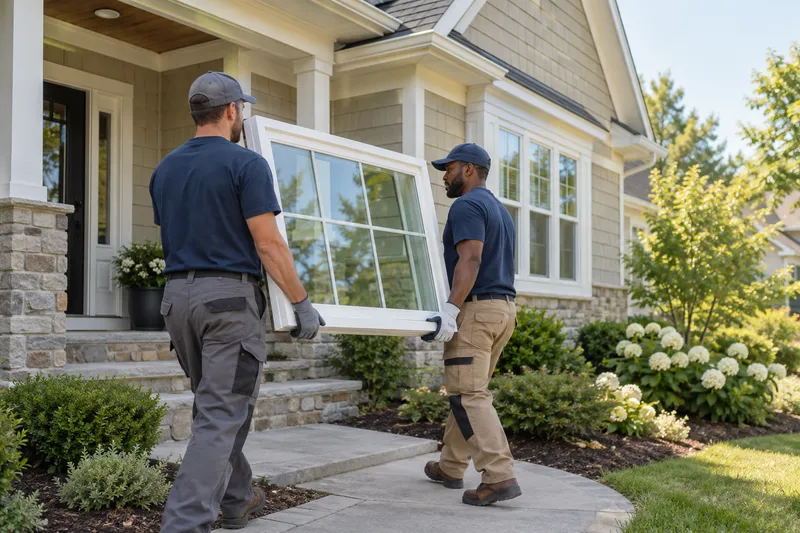
An insert window slides into the existing frame after the old sashes are removed. Interior and exterior trim usually stay in place. It is faster, less disruptive and typically cheaper in labor. The catch: the existing frame must be square, structurally sound and free of rot or water damage. You also lose a bit of glass area because the new unit sits inside the old frame.
Full-frame replacement
Full-frame replacement removes everything down to the rough opening, including the frame, and often the trim. It costs more because of added labor, new trim and possible siding or drywall touch-up. The benefit is that the installer can inspect for hidden rot, add proper flashing and insulation around the opening, and restore the original glass size. It is usually the right call when frames are damaged, when you are changing window size or style, or when there has been past leaking.
What else affects the price
Beyond frame, style and installation method, several details show up on quotes:
- Glass package: double-pane with low-E coating is common; triple-pane, gas fills and laminated or impact glass add cost. See how these features affect performance in our guide to energy efficient windows.
- Size and custom sizing: oversized or non-standard openings usually mean made-to-order units.
- Access: upper-story windows may need ladders, scaffolding or extra crew.
- Older homes: homes built before 1978 may involve lead-safe work practices when disturbing painted surfaces, which can add time and cost.
- Permits and disposal: some jurisdictions require permits; haul-away may be itemized.
- Trim, capping and finishing: exterior aluminum capping, new interior casing, and paint or stain are sometimes extras.
How to budget a whole-house window project
A simple way to estimate is to multiply a realistic per-window figure by your count, then add a cushion for surprises.
Ways to pay vary. Many homeowners use savings; others use financing offered by the installer, a personal loan, or home equity. If you are weighing equity options for a larger renovation, compare a cash-out refinance vs a HELOC before signing up for dealer financing, which can carry deferred-interest terms.
Tax credits and rebates in 2026
The federal Energy Efficient Home Improvement Credit (Section 25C), which previously offered a partial credit for qualifying energy-efficient windows, was terminated by the July 2025 federal budget law for property placed in service after December 31, 2025. Windows installed in 2026 or later do not qualify for that federal credit.
Other incentives may still be available. Some states, cities and electric or gas utilities offer rebates for efficient windows or whole-home energy upgrades, and eligibility rules differ. Check your utility's website and your state energy office before you buy, and ask a tax professional about anything tax-related.
Getting accurate quotes
Most reputable installers measure in person before giving a firm price. When collecting bids:
- Ask for an itemized quote listing the product line, frame material, glass package, install method and trim work.
- Confirm who handles permits, disposal and any lead-safe requirements.
- Get both the manufacturer's warranty and the installer's labor warranty in writing.
- Verify licensing and insurance and read the payment terms carefully. Our guide on how to hire a contractor walks through what to check.
The bottom line
Window replacement cost depends mostly on frame material, style, size and whether you need full-frame work or can use inserts. Vinyl inserts are the typical budget route, while fiberglass, wood and bay or bow units cost more. Get several itemized quotes for the same scope, budget a contingency for hidden rot, and look to state or utility rebates now that the federal 25C credit has ended.
Frequently asked questions
How much does it cost to replace 10 windows?
For standard-size double-hung or slider windows, a 10-window project commonly lands somewhere in the mid-four figures to low five figures, depending on frame material, installation method and local labor rates. Vinyl inserts sit at the low end, while fiberglass or wood full-frame replacements push the total higher. Get at least three itemized quotes covering the same scope to compare fairly.
Is it cheaper to replace all windows at once?
Often, yes. Installers have fixed costs for travel, setup, measuring and ordering, so spreading those over more windows usually lowers the per-window price. Some companies also discount larger orders. The trade-off is a bigger upfront bill, so some homeowners phase the work, starting with the worst windows or the rooms with the most drafts or damage.
Do new windows increase home value?
New windows can improve curb appeal, comfort and buyer confidence, and they are often listed as a selling point. However, the resale value added is usually less than the full project cost. Most homeowners replace windows because the old ones are failing, drafty or hard to operate, and treat any resale benefit as a bonus rather than the main reason.
Does homeowners insurance cover window replacement?
Homeowners insurance typically covers windows broken by a covered peril such as a storm, fallen tree or break-in, minus your deductible. It generally does not pay for windows that are simply old, fogged, drafty or rotting from wear and tear, because that is considered maintenance. Review your policy and consider whether the damage exceeds your deductible before filing a claim.
Official Resources & Further Reading
Use these resources to check current guidance. Requirements and availability may vary by state and provider.
This guide is for general educational purposes and is not individualized financial, legal, tax or insurance advice. Product terms, rates and availability vary by provider and location. How we make money.