Key takeaways
- Repair usually makes sense when the frame is solid and the problem is limited to one component, like a seal, sash cord or crank.
- Fogged glass means a failed seal; replacing the insulated glass unit is often cheaper than a whole new window.
- Widespread rot, multiple failed seals, or single-pane windows in a harsh climate tend to tip the decision toward replacement.
- Storm damage may be covered by homeowners insurance, but age and wear usually are not.
In this guide
Choose window repair when the frame is solid and the problem is isolated, such as a failed glass seal, worn weatherstripping, a broken sash cord or a stuck crank. Choose replacement when rot is widespread, several seals have failed, the window no longer operates safely, or you have single-pane windows and want a real efficiency upgrade.
The decision is really about the frame and sash. Glass and hardware are replaceable parts. A structurally sound frame can often be kept for years longer with targeted repairs, while a rotted or warped frame makes almost every other fix a short-term patch.
Window repair vs replacement at a glance
| Problem | Often repairable? | Typical fix | When replacement makes more sense |
|---|---|---|---|
| Fog or moisture between panes | Yes, in many cases | Replace the insulated glass unit (IGU) | Many units failing at once, or frame also deteriorating |
| Drafts around the sash | Yes | New weatherstripping, adjust or re-caulk | Frame is warped or out of square |
| Minor wood rot | Yes | Cut out and patch, or consolidate with epoxy | Rot extends through sills, jambs or sash joints |
| Broken glass (single pane) | Yes | Reglaze the pane | You want better efficiency across the house |
| Hard to open, stuck, or won't stay up | Usually | Replace balances, sash cords, cranks or locks | Parts are unavailable or the frame is distorted |
| Leaks during rain | Sometimes | Re-flash, re-caulk exterior | Water damage behind trim or in the wall |
Fogged glass: failed seals
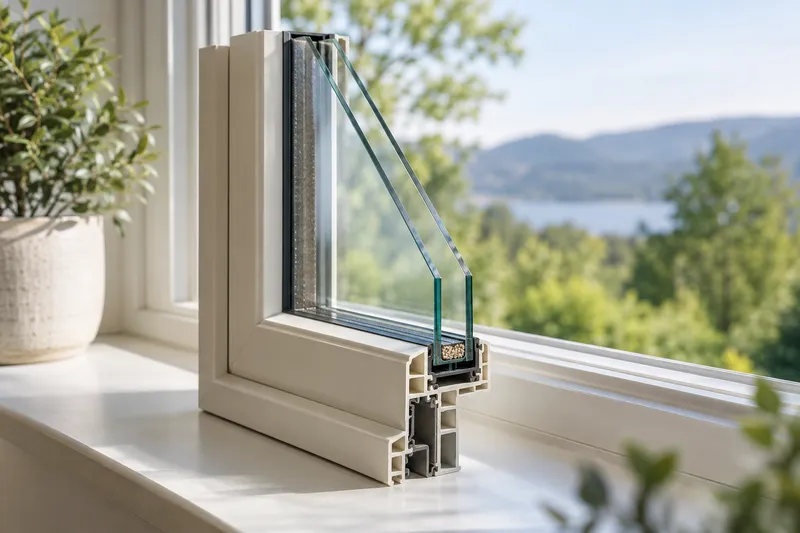
Most modern windows use sealed double- or triple-pane glass. When the seal fails, moist air enters the space between panes, leaving a hazy film or droplets that you cannot wipe away. The window still works, but it loses some insulating value, and the view suffers.
Your options, from least to most involved:
- Live with it for now: if the fog is minor and the window is otherwise fine, it is not an emergency.
- Defogging service: some companies drill small holes, clean and vent the unit. Results vary, and it typically does not restore the insulating gas.
- Replace the sealed glass unit: a glass shop measures the unit and installs a new IGU in your existing sash. This is usually the most cost-effective lasting fix.
- Replace the window: worth considering if several windows are fogging at the same time, which suggests the product line is reaching the end of its life.
Rot: how to judge the frame
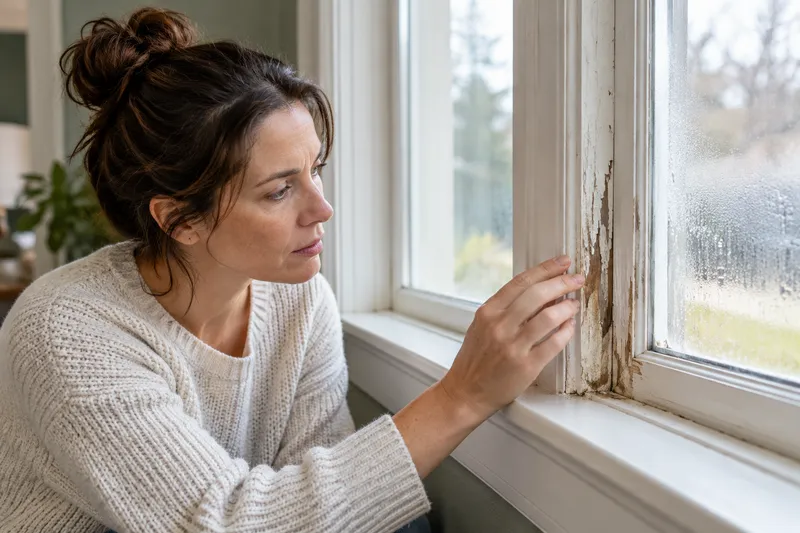
Rot is the most important factor in the repair-versus-replace decision. Press a screwdriver gently into the sill, the bottom rail of the sash and the lower corners of the frame. Sound wood resists; rotten wood feels soft or crumbles.
- Small, localized soft spots can be cut out and patched, or hardened with epoxy consolidant and filled. A handy homeowner or carpenter can handle this.
- Rot through a sill or jamb may be fixed with a sill replacement or a dutchman patch, but costs rise quickly.
- Rot that extends into the wall framing or sheathing means water has been getting in for a while. That calls for full-frame replacement with proper flashing, not a new insert covering the damage.
Drafts and air leaks
A drafty window does not automatically need replacing. Common causes and fixes:
- Worn or missing weatherstripping: inexpensive to replace on most double-hung and casement windows.
- Failed caulk: re-caulk where the exterior trim meets siding and where interior trim meets the wall.
- Sash not closing fully: adjust or replace the balance, lock or hinge.
- Gaps between the frame and rough opening: remove interior trim and seal with low-expansion foam.
If you have single-pane windows, adding interior or exterior storm windows can meaningfully cut drafts and heat loss at a lower cost than full replacement. Our guide to energy efficient windows explains how to compare performance if you do decide to replace.
Rough cost comparison
Prices depend heavily on your area and the specific window, so treat these as broad ballparks.
For whole-window pricing by material and installation type, see our full breakdown of window replacement cost.
When replacement is the better choice
Replacement tends to win when:
- Rot or water damage affects multiple windows or extends into the wall.
- Several sealed units fail at once, or the product is known for failures.
- Replacement parts for sashes, balances or cranks are no longer available.
- Windows no longer lock securely or can't be opened for emergency exit, which is a safety concern.
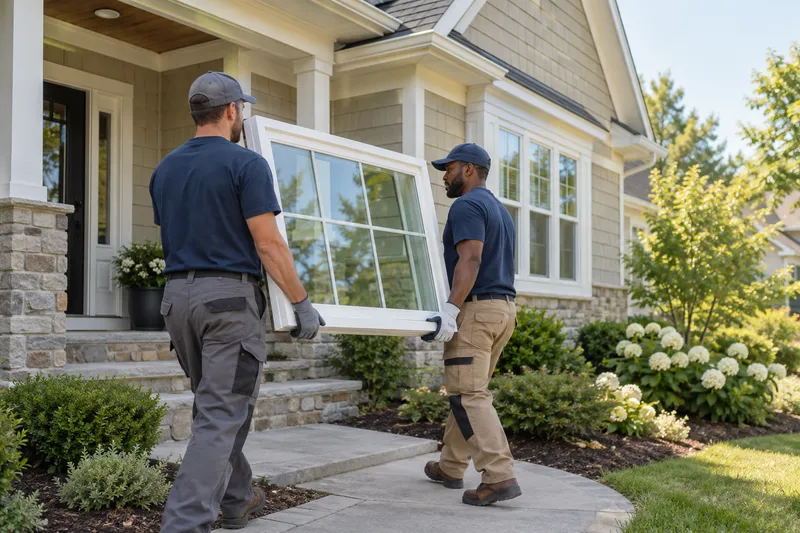
- You are remodeling and want to change sizes, styles or rough openings.
- Single-pane windows in a cold or hot climate are driving discomfort and energy bills.
If you proceed, compare several itemized bids and verify licensing and insurance using our checklist for how to hire a contractor. Note that the federal 25C energy tax credit for windows ended for property placed in service after December 31, 2025, so it should not factor into a 2026 decision.
What about insurance?
Windows broken by a sudden event such as a storm, hail, a falling limb or a break-in may be covered by your homeowners policy, subject to the deductible. Fogging from seal failure, rot and drafts are generally treated as wear and tear and are not covered. If a storm broke several windows, document the damage with photos, make temporary repairs to prevent further damage, and review our guide on how to file a home insurance claim.
The bottom line
Start with the frame. If it is solid, repairing seals, glass, weatherstripping or hardware is usually the smarter money move. If rot is widespread, several windows are failing together, or you want a real efficiency upgrade from single pane, replacement is often worth it. Either way, get itemized quotes and check your glass warranty first.
Frequently asked questions
Can you fix a foggy window without replacing it?
Usually the insulated glass unit, not the whole window, needs replacing. Fog between panes means the seal has failed and moisture has entered. Some companies offer defogging services that clean and vent the unit, which can improve appearance, but they generally do not restore the original insulating performance. Replacing just the sealed glass unit in a sound frame is often the more durable fix.
How much does it cost to repair a window?
Costs vary widely by the problem and location. Simple fixes like new weatherstripping, a sash cord or a crank operator may cost relatively little, especially if you do them yourself. Replacing a sealed glass unit commonly runs a few hundred dollars per window. Rot repair ranges from a small epoxy fix to substantial carpentry. Get an itemized quote before committing.
Is it worth repairing old wood windows?
Often it is, especially for well-made older windows with old-growth wood, which can outlast many modern replacements when maintained. Restoration plus weatherstripping and exterior or interior storm windows can bring comfort close to that of new double-pane units. If most sashes are rotted, glazing has failed throughout, or the windows are painted shut and damaged, replacement may be more practical.
How long do windows typically last?
Lifespan depends on material, climate, installation and maintenance. Many vinyl and aluminum windows last a couple of decades or more, while well-maintained wood and fiberglass windows can last considerably longer. Sealed glass units may fail before the frame does. Signs of a failing window matter more than age alone, so inspect for drafts, fog, rot and operation problems.
Official Resources & Further Reading
Use these resources to check current guidance. Requirements and availability may vary by state and provider.
This guide is for general educational purposes and is not individualized financial, legal, tax or insurance advice. Product terms, rates and availability vary by provider and location. How we make money.