Key takeaways
- Many households pay somewhere in the low thousands per year, but location and rebuild cost can push premiums far above or below that.
- Your dwelling coverage amount, deductible, claims history and the age of your roof usually move the price more than anything else.
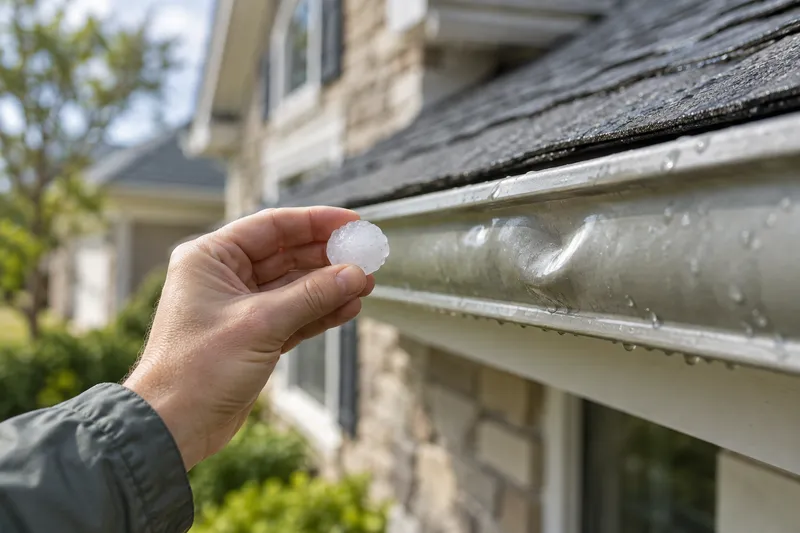
- Wind, hail, wildfire and hurricane exposure explain most of the big differences between states and ZIP codes.
- Comparing quotes with identical coverage limits is the only fair way to judge which price is actually lower.
In this guide
Homeowners insurance commonly costs somewhere in the low thousands of dollars per year for a typical single-family home, but real premiums range from a few hundred dollars to well over $5,000. The biggest drivers are where the home sits, what it would cost to rebuild, your deductible, your claims history and the condition of the roof.
Those broad figures are only a starting point. Two neighbors with similar houses can pay very different amounts because insurers weigh dozens of variables, and prices shift over time as construction costs and catastrophe losses change. The rest of this guide explains how a premium is built so you can estimate your own and spot where you have room to save.
What does homeowners insurance typically cost?
There is no single national price, and any average you read is a blend of very different markets. As a rough ballpark, many owners of mid-priced homes in moderate-risk areas pay somewhere between about $1,200 and $3,000 a year. Homes in coastal hurricane zones, hail-prone plains states or wildfire-exposed regions can cost considerably more, and some owners in those areas pay several times the national middle.
Treat any figure as a reference point, not a quote. Premiums vary by state, ZIP code, insurer and time, and they have generally trended upward in recent years as rebuilding costs rose. The only way to know your number is to get quotes for your specific home.
What factors affect homeowners insurance cost?
Insurers are pricing two things: how likely you are to file a claim, and how expensive that claim would be. Here are the main inputs.
| Factor | Why it matters | How much control you have |
|---|---|---|
| Location and ZIP code | Weather, wildfire, crime and fire-department access drive expected losses | Very little once you own the home |
| Rebuild cost (dwelling limit) | Higher limit means a bigger potential payout | Moderate: set it accurately, not higher |
| Deductible | Higher deductible means you absorb more of each loss | High |
| Roof age and material | Roofs are central to wind and hail claims | Moderate: replacement or upgrades |
| Home age, wiring, plumbing | Older systems raise fire and water risk | Moderate: updates can help |
| Claims history | Prior claims on you or the property signal future claims | Some: avoid filing very small claims |
| Credit-based insurance score | Used in many states as a pricing factor | Some, over time |
| Coverage add-ons | Endorsements add to the premium | High |
Location and catastrophe risk
Location is often the single largest factor. A house near the Gulf or Atlantic coast carries hurricane risk; one in the central plains faces hail and tornadoes; one near forested hillsides in the West faces wildfire. Insurers also look at distance to the nearest fire station and hydrant, which feeds into a local fire protection rating.
Rebuild cost, not market value
Your premium is tied to the cost to rebuild the house, not what it would sell for. Land does not burn, so a small home on an expensive lot may be cheaper to insure than its price suggests, while a large older home with custom materials can be expensive to insure even in a modest market. Our guide on how much dwelling coverage you need explains how that limit is set.
The roof
Many carriers price heavily on roof age and material, and some restrict coverage on older roofs to actual cash value instead of replacement cost. If your roof is near the end of its life, read about how roof age affects home insurance before you shop.
How your coverage choices change the price
Beyond the house itself, the policy you build shapes the premium. The main levers are:
- Dwelling limit: Set it at your estimated rebuild cost. Too low leaves you underinsured; too high wastes premium.
- Deductible: A $2,500 deductible usually costs less than a $1,000 one. Many policies in storm-prone areas also carry a separate percentage deductible for wind, hail or hurricanes; see our guide to home insurance deductibles.
- Loss settlement: Replacement cost on your belongings costs more than actual cash value but pays far better after a loss.
- Liability limit: Moving from $100,000 to $300,000 of liability is often inexpensive relative to the protection it adds.
- Endorsements: Water backup, scheduled jewelry, extended replacement cost and equipment breakdown each add a modest amount.
Why premiums vary so much by state
State differences come down to weather exposure, rebuilding costs and each state's insurance regulations. States with frequent hurricanes, severe convective storms or wildfire tend to sit at the top of cost rankings, and in some of those areas insurers have limited new policies, which reduces competition. States with milder weather and lower construction costs tend to be cheaper.
Regulation also matters. States differ on how quickly insurers can raise rates, which rating factors are allowed and how residual-market plans of last resort are priced. For state-specific rules, your state department of insurance is the authoritative source.
How to estimate your own premium
You can get a reasonable sense of your cost before speaking with an agent:
- Estimate your rebuild cost from your home's square footage and local construction costs, or use the figure in your current policy.
- Note your roof's age and material, plus the age of your wiring, plumbing and heating system.
- Decide on a deductible you could pay from savings tomorrow.
- Pick a liability limit, often at least $300,000 if you have meaningful assets.
- Request quotes from several insurers using those same inputs.
When you are ready, our guide to comparing home insurance quotes walks through how to line them up side by side.
Ways to pay less without cutting key coverage
The goal is a lower price for the same protection, not a cheaper policy that fails when you need it. Options that commonly help include bundling with your auto policy, installing monitored alarms or water-leak sensors, upgrading to an impact-resistant roof where discounts exist, raising your deductible sensibly and paying annually instead of monthly if your insurer charges installment fees. Our full list is in how to lower home insurance, and bundling home and auto insurance covers the multi-policy discount in detail.
Avoid saving money by trimming your dwelling limit below rebuild cost or dropping liability coverage. Those cuts look small on the bill and can be ruinous after a major loss.
The bottom line
How much homeowners insurance costs depends mostly on where your house is, what it would take to rebuild and the choices you make on deductibles and limits. Use broad averages only as a sanity check. Gather your home's details, choose limits that reflect real rebuild costs and compare several quotes built on identical coverage.
Frequently asked questions
How much is homeowners insurance per month?
Many homeowners pay somewhere between roughly one hundred and a few hundred dollars a month, but the range is wide. A modest home in a low-risk area may cost far less, while a larger home in a hurricane, hail or wildfire zone can cost much more. If you have a mortgage, the premium is often collected monthly through your escrow account.
Why did my homeowners insurance go up if I did not file a claim?
Premiums can rise without any claim because rebuilding costs, labor prices and regional catastrophe losses affect the whole pool of policyholders. Insurers may also raise dwelling limits automatically to track construction inflation, which increases the premium. Changes in your credit-based insurance score, where allowed, or an aging roof can also trigger a higher renewal price.
Is homeowners insurance required?
No state law requires homeowners insurance, but nearly every mortgage lender does. If you let coverage lapse while you have a loan, the lender can buy force-placed insurance on your behalf, which usually costs more and protects the lender rather than you. Once your home is paid off, coverage is optional but still strongly advisable.
Does a higher deductible really lower my premium?
Usually, yes. Raising your deductible shifts more of each small loss to you, so insurers charge less. The savings vary by company and region, so ask for quotes at two or three deductible levels. Only choose a higher deductible if you could comfortably pay it from savings after a loss.
Is homeowners insurance included in my mortgage payment?
It often is. Many lenders require an escrow account, which collects a monthly share of your insurance premium and property taxes along with principal and interest, then pays the bills when due. Your policy is still separate from the loan, and you can shop for a new insurer at any time as long as coverage stays continuous.
Official Resources & Further Reading
Use these resources to check current guidance. Requirements and availability may vary by state and provider.
This guide is for general educational purposes and is not individualized financial, legal, tax or insurance advice. Product terms, rates and availability vary by provider and location. How we make money.