Key takeaways
- Liability coverage is required in nearly every state and pays for harm you cause to others.
- Collision and comprehensive protect your own car and are usually required if you finance or lease.
- Uninsured motorist, PIP and medical payments protect you and your passengers, and some are required in certain states.
- Optional add-ons like gap, rental reimbursement and roadside assistance fill specific gaps at extra cost.
In this guide
The main types of car insurance coverage are liability (bodily injury and property damage), collision, comprehensive, uninsured/underinsured motorist, personal injury protection (PIP) and medical payments. Liability is required in nearly every state; the others protect your own car, your health or your passengers, and some are required by certain states or your lender.
Most policies also offer optional add-ons such as gap insurance, rental reimbursement and roadside assistance. Here is what each coverage does and how to decide what to carry.
Car insurance coverage types at a glance
| Coverage | What it pays for | Required? |
|---|---|---|
| Bodily injury liability | Injuries you cause to others | Required in nearly every state |
| Property damage liability | Damage you cause to others' property | Required in nearly every state |
| Collision | Damage to your car from a crash, regardless of fault | Required by most lenders and lessors |
| Comprehensive | Theft, fire, hail, flood, vandalism, animal strikes | Required by most lenders and lessors |
| Uninsured/underinsured motorist | Your costs when an at-fault driver has little or no insurance | Required in some states |
| Personal injury protection (PIP) | Medical bills, lost wages for you and passengers | Required in no-fault states |
| Medical payments (MedPay) | Medical bills for you and passengers | Usually optional |
| Gap insurance | Difference between car's value and loan balance after total loss | Sometimes required by lessors |
Liability coverage
Liability is the foundation of every auto policy. Bodily injury liability pays for medical care, lost income and legal defense when you injure someone. Property damage liability pays to repair other people's vehicles and property.
Limits are shown as three numbers, such as 100/300/100: $100,000 per injured person, $300,000 per accident and $100,000 for property damage. State minimums are often much lower, and a serious crash can exceed them quickly, leaving you personally responsible for the rest.
Collision and comprehensive coverage
These two coverages protect your own car and each carries a deductible.
- Collision pays to repair or replace your car after it hits another vehicle or object, or rolls over, whether or not you were at fault.
- Comprehensive covers most non-collision damage: theft, vandalism, fire, falling trees, hail, flooding and hitting an animal. Glass damage is often covered here as well.
Neither coverage pays for mechanical breakdowns or normal wear and tear. Payouts are based on the car's actual cash value, meaning its market value just before the loss, minus your deductible. Whether you need these coverages depends largely on the car's value and whether it is financed; our guide to liability vs. full coverage walks through that decision.
Uninsured and underinsured motorist coverage
Not every driver carries insurance, and many carry only the minimum. Uninsured motorist (UM) coverage pays your costs when an at-fault driver has no insurance or in many hit-and-run cases. Underinsured motorist (UIM) coverage kicks in when the at-fault driver's limits are too low to cover your losses.
Bodily injury versions pay for your medical bills and lost wages; property damage versions, available in some states, help with repairs. Rules and requirements vary widely by state. Our dedicated guide to uninsured motorist coverage explains the details.
PIP and medical payments coverage
Personal injury protection (PIP) pays medical expenses for you and your passengers regardless of fault. Depending on your state, it may also cover lost wages, rehabilitation and essential services such as childcare. PIP is required in states with no-fault insurance systems and is optional in some others.
Medical payments coverage (MedPay) is similar but narrower, generally covering only medical and funeral costs, often with lower limits. It can help with health insurance deductibles and copays after a crash.
Optional add-on coverages
These add-ons fill specific gaps. Whether they are worth the extra premium depends on your situation.
- Gap insurance. If your car is totaled, it pays the difference between the car's actual cash value and what you still owe on your loan or lease. See our guide to gap insurance.
- Rental reimbursement. Pays a set daily amount for a rental car while yours is in the shop after a covered claim.
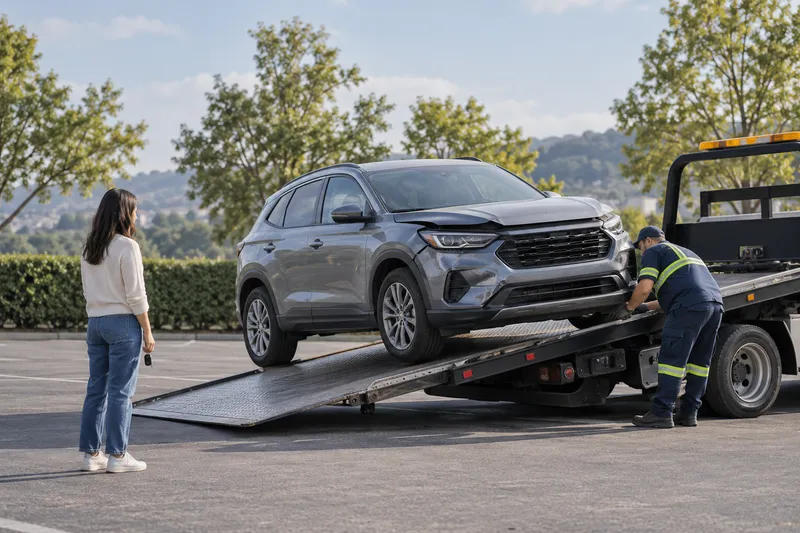
- Roadside assistance or towing. Covers towing, jump-starts, lockouts and flat tires.
- New car replacement. Some insurers will replace a totaled new car with a new one of the same make and model, usually within the first year or two.
- Rideshare coverage. Fills gaps if you drive for a ride-hailing or delivery service, since personal policies often exclude commercial use.
- Custom equipment coverage. Protects aftermarket parts and upgrades beyond standard limits.
Before adding any extra, check whether you already have the protection elsewhere. Roadside help may come with a car warranty, auto club membership or credit card, and some credit cards provide rental car benefits.
How to choose the right coverage mix
A practical approach:
- Start with your state's legal requirements for liability, UM/UIM and PIP.
- Set liability limits to protect your assets, not just to satisfy the law.
- Add collision and comprehensive if the car is financed, leased or would be hard to replace.
- Consider UM/UIM, especially if many drivers in your area are uninsured.
- Add extras selectively based on gaps you actually face, such as a long loan term or reliance on the car for work.
If you are a homeowner, note that your car insurance and home insurance cover different risks. Items stolen from your car, for example, are generally covered by your home or renters policy, not auto insurance. Our guide to what homeowners insurance covers explains that side.
The bottom line
A car insurance policy is a set of separate coverages: liability for harm you cause, collision and comprehensive for your own car, and UM/UIM, PIP or MedPay for injuries. Start with your state's requirements, set liability limits that protect your assets, and add other coverages based on your car's value, your loan and your budget.
Frequently asked questions
What are the three main types of car insurance?
The three coverages people most often mean are liability, collision and comprehensive. Liability pays for injuries and damage you cause to others and is required in nearly every state. Collision pays to fix your car after a crash, and comprehensive covers non-crash events such as theft, fire, hail and animal strikes. Together they make up what is commonly called full coverage.
What is the difference between PIP and medical payments coverage?
Both pay medical bills for you and your passengers regardless of fault. Personal injury protection is broader and is required in no-fault states; it can also cover lost wages and essential services you cannot perform while injured. Medical payments coverage, often called MedPay, typically covers only medical and funeral expenses and is usually optional, with lower limits.
Which car insurance coverages are required by law?
Almost every state requires bodily injury and property damage liability. Some states also require uninsured or underinsured motorist coverage, and no-fault states require personal injury protection. Collision and comprehensive are not required by law, but lenders and leasing companies require them. Check your state insurance department for the exact minimums that apply to you.
Does car insurance cover a rental car?
Your own policy often extends liability, and sometimes collision and comprehensive, to a rental car you drive for personal use in the U.S., but terms vary by insurer. Rental reimbursement coverage is different: it pays for a rental while your car is being repaired after a covered claim. Check your policy and your credit card benefits before declining rental counter coverage.
Official Resources & Further Reading
Use these resources to check current guidance. Requirements and availability may vary by state and provider.
This guide is for general educational purposes and is not individualized financial, legal, tax or insurance advice. Product terms, rates and availability vary by provider and location. How we make money.