Key takeaways
- Many drivers see their lowest rates in their 50s and early 60s, with gradual increases often starting in their 70s.
- Mature driver course discounts, low-mileage pricing, and retirement-related changes can offset age-based increases.
- Retirement is a good time to revisit coverage, especially mileage, vehicle use, and whether an older car still needs collision.
- Keep liability limits strong; retirees with savings and home equity have more to protect, not less.
In this guide
Car insurance for seniors is often among the cheapest of any age group in the 50s and 60s, then tends to rise gradually from the 70s onward as claim costs climb. Older drivers can offset increases with mature driver course discounts, low-mileage pricing, and a fresh look at coverage after retirement.
Age is only one factor in your premium, and for many retirees it is outweighed by others: how much you drive, the car you own, your record, and where you live. This guide explains how age affects pricing and where older drivers have the most room to save.
How does age affect car insurance for seniors?
Insurers base rates partly on the claims experience of large groups of drivers. Middle-aged drivers with decades of experience tend to have favorable claim patterns, which is why many people see their lowest rates somewhere in their 50s and early 60s.
Later in life, several things can shift that picture:
- Crash rates per mile driven tend to rise for drivers at older ages.
- Injuries in a crash can be more severe and costly to treat for older occupants.
- Changes in vision, reaction time, or medication can affect driving.
As a result, many insurers begin applying gradual increases to drivers in their 70s, with larger adjustments possible after 75 or 80. The timing and size differ by insurer, and some states restrict how age can be used in pricing. That variability is exactly why comparing quotes pays off.
Car insurance discounts for seniors
Some discounts are aimed specifically at older drivers; others matter more in retirement because your habits change. Our complete guide to car insurance discounts lists more, but these are the most relevant:
| Discount | Who usually qualifies | Notes |
|---|---|---|
| Mature driver course | Drivers above a set age (often 55 or older) who complete an approved course | Required or encouraged in many states; usually lasts a few years before renewal |
| Low mileage | Drivers under an insurer's annual mileage threshold | Update your mileage after retiring from a commute |
| Retired or pleasure use | Drivers who no longer commute | Changing vehicle use from commute to pleasure can lower rates |
| Bundling | Anyone buying home or renters plus auto | Often among the larger discounts available |
| Paid in full / autopay | Anyone paying the full term or by automatic payment | Easy and low effort |
| Vehicle safety features | Cars with certain safety equipment | Varies widely by insurer |
Coverage changes to consider in retirement
Retirement is a natural checkpoint. Your driving, vehicles, and finances have probably changed, and your policy should reflect that.
Keep liability limits strong
It is tempting to trim coverage on a fixed income, but liability is the wrong place to cut. If you cause a serious crash, the other party can pursue your savings, investments, or home equity. Many retirees choose limits well above the state minimum, and some add an umbrella policy for extra protection.
Reassess collision and comprehensive
On an older, paid-off car, collision and comprehensive may cost more over a few years than the car is worth. A common rule of thumb is to look closely when the annual cost of these coverages approaches roughly 10% of the car's value. Our explainer on liability vs. full coverage goes through that math.
Review medical-related coverage
Depending on your state, you may have personal injury protection (PIP) or medical payments coverage. Medicare does not pay for everything after a crash, and the way auto coverage coordinates with Medicare varies by state and policy. Ask your agent how your coverage interacts with your health plan before reducing it.
Consider how many cars you need
A retired couple sometimes keeps two cars out of habit. Dropping a rarely used second vehicle, or at least moving it to a lower-use rating, can save more than any single discount.
Is usage-based insurance a good fit for older drivers?
Many retirees drive less, avoid rush hour, and rarely drive late at night, all of which usage-based programs tend to reward. There are two main types:
- Pay-per-mile: a base rate plus a per-mile charge. Best for people who drive well below average.
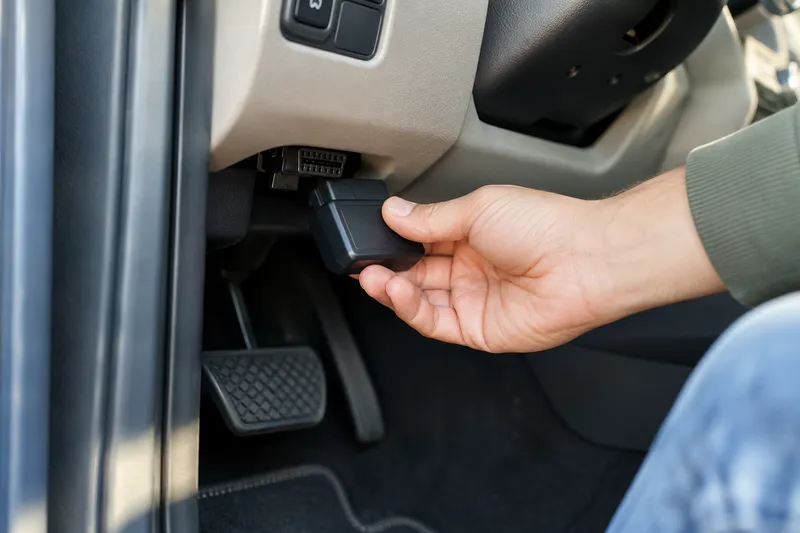
- Behavior-based telematics: tracks braking, speed, time of day, and phone use, and can adjust your rate.
Both require sharing driving data, and some programs can raise rates for risky habits. Our guide to usage-based car insurance covers the trade-offs in detail.
Tips for keeping senior car insurance affordable
- Take a mature driver course and keep the certificate. Renew it before the discount expires.
- Bundle policies. Combining auto with home insurance is often one of the largest savings available; see our guide to bundling home and auto insurance.
- Raise your deductible if you have savings to cover a larger out-of-pocket cost.
- Choose a car that is cheaper to insure when you replace your vehicle; safety ratings and repair costs matter.
- Compare quotes every year or two. Insurers adjust for age differently, so the company that was cheapest at 60 may not be at 75.
For more strategies that apply at any age, read our guide on how to lower car insurance.
Talking about driving safety
At some point, many families face the question of when an older relative should limit or stop driving. Insurance is not the right tool for that decision, but some signs are worth noticing: new dents or scrapes, getting lost on familiar routes, or near misses. A physician or a formal driving evaluation can provide an objective assessment, and options like avoiding night or highway driving can extend safe driving years.
The bottom line
Seniors often enjoy some of the lowest car insurance rates in their 50s and 60s, with gradual increases later. You can offset much of that by taking a mature driver course, updating mileage and vehicle use after retirement, and reviewing coverage on older cars. Protect your assets with solid liability limits, and compare quotes regularly as insurers price age differently.
Frequently asked questions
At what age does car insurance go up for seniors?
There is no single age. Many insurers begin raising rates gradually for drivers in their 70s, and increases often become more noticeable after about 75 or 80, reflecting higher claim costs in those age groups. The size and timing vary by insurer and state, and some states limit how insurers can use age, so comparing quotes matters.
Do seniors get a discount for taking a driving course?
In many states, yes. Numerous states require or encourage insurers to offer a discount to older drivers who complete an approved mature driver or defensive driving course, sometimes available online. Discount size and the age at which it applies vary, and the credit usually lasts a set number of years before you must retake the course.
Can an insurer cancel my policy because of my age?
Insurers generally cannot cancel or refuse to renew a policy solely because of age, and state laws restrict the reasons they can use. They can, however, act on driving record, claims, or a medical condition that affects licensing. If you receive a nonrenewal notice, ask for the reason in writing and contact your state insurance department if it seems unfair.
Should seniors drop collision coverage?
It can make sense if your car is older and its value is low relative to the annual cost of collision and your deductible. If you would not repair the car after a crash, or could easily replace it from savings, dropping collision may save money. Keep it if the car is financed, leased, or valuable.
Is pay-per-mile insurance good for retirees?
It can be for retirees who drive well below average mileage, since they pay a base rate plus a per-mile charge. Drivers who take occasional long road trips may find the savings shrink. Compare the per-mile quote against a standard policy with a low-mileage discount before switching.
Official Resources & Further Reading
Use these resources to check current guidance. Requirements and availability may vary by state and provider.
This guide is for general educational purposes and is not individualized financial, legal, tax or insurance advice. Product terms, rates and availability vary by provider and location. How we make money.